
Blind Spot Spread
Difficulty: Varies
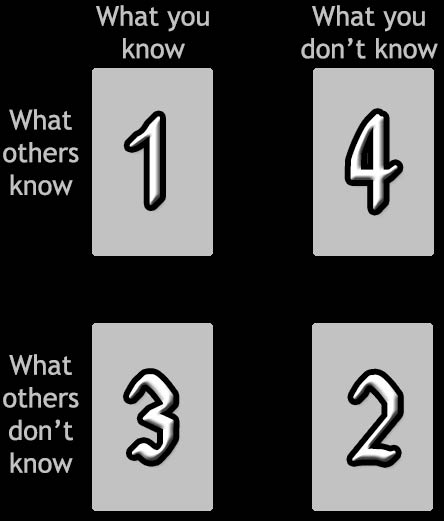
This tarot spread is used to enhance self-awareness. Questions about learning something about oneself or things that are hidden work very well with this tarot spread, although no question is necessary.
- This tarot card displays the obvious identity, the part of oneself that is consciously known and projected to others.
- This card indicates unconscious driving forces that neither the reader nor others are aware of about them, the great unknown. Nobody knows what this tarot card means, at least not yet...
- The part of oneself that is concealed, to keep others from discovering, is apparent in this card.
- This is the Blind Spot. This is what was asked about, that which this reading should bring awareness of. The reader may wish to pay close attention to these mannerisms.
Your Blind Spot Reading
| What you know | What you don't know | |
| What others know | 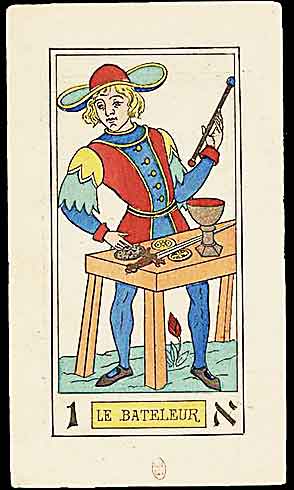 I – The Magician |
 XIV – Temperance |
| What others don't know | 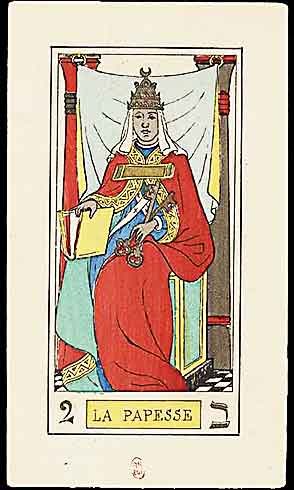 II – The High Priestess |
 0 – The Fool |
This card displays your obvious identity, the part of you that everyone knows.
I – The Magician
The Magician signifies mastery, skill, and the power to shape reality. This card represents harnessing resources and directing one's energies towards success. The Magician embodies the potential to manifest desires into tangible form.
Symbolism: He stands before a table with tools representing the four elements: a cup (Water), a sword (Air), a coin (Earth), and a wand (Fire). His raised wand symbolises the connection between spirit and matter, and his hat, shaped like an infinity symbol, signifies endless potential.
In Relationships: A time to use charm, wit, and initiative to build or strengthen relationships.
In Work: Opportunity, success, and the power to manifest goals through skill and action.
Spiritually: The Magician teaches the importance of intention, focus, and using one's talents for higher purposes.
When ill-dignified: Deception, manipulation, or scattered energy. Warning against using one's power for selfish gain.
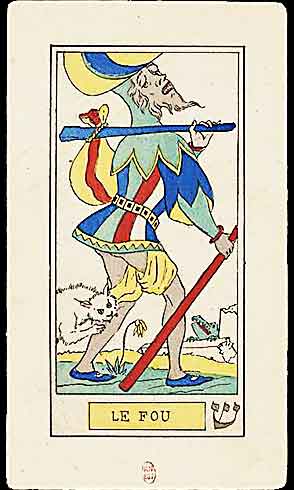
This card shows unconscious driving forces that neither you nor your company is aware of about you. This is the Great Unknown.
0 – The Fool
The Fool represents freedom, spontaneity, and new beginnings. This card signifies the start of an adventurous journey, full of potential but also uncertainty. He reminds us to embrace the unknown with optimism and an open heart.
Symbolism: The Fool carries a staff and a small sack, symbolising untapped potential and the lessons to be learned. The playful animal at his feet represents instinct, loyalty, and sometimes, the forces that pull us in conflicting directions. His carefree attitude invites a leap into the unknown.
In Relationships: New romantic beginnings, playfulness, and spontaneity, but be wary of impulsive actions.
In Work: A time for exploration, openness to unconventional opportunities, and embracing the unfamiliar.
Spiritually: Embarking on a journey of self-discovery, embracing the unknown with faith.
When ill-dignified: Recklessness, lack of foresight, and the dangers of ignoring consequences.
The secrets you keep from others are shown by this card.
II – The High Priestess
The High Priestess represents intuition, wisdom, and hidden knowledge. She invites introspection and reminds us to trust our inner voice in uncovering truths that are not immediately apparent.
Symbolism: Seated on a throne with a book of wisdom and keys, the High Priestess represents access to esoteric knowledge. The curtains behind her suggest mystery and the boundary between the conscious and unconscious realms.
In Relationships: Emotional depth, secrets, or a need for patience and understanding.
In Work: Hidden opportunities, deep research, or learning emerging from within.
Spiritually: Trust your intuition and explore spiritual truths beyond the material world.
When ill-dignified: Ignorance, repressed emotions, or manipulation behind the veil of mystery.
This is your Blind Spot. This is what you asked about – what you wished to be made aware of by this reading.
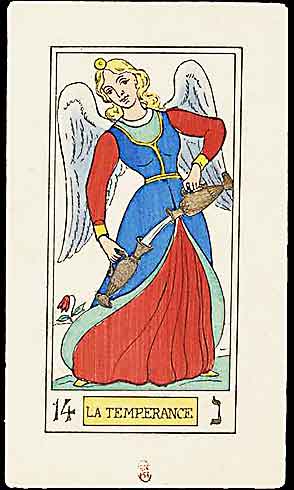
XIV – Temperance
Temperance represents balance, moderation, and the art of harmonising opposites. This card suggests a period of a careful blending of energies, creating harmony between diverse aspects of life.
Symbolism: Temperance is shown pouring liquid between two cups, symbolising the blending of forces or energies. Her wings suggest a spiritual connection, and her alchemical knowledge signifies a harmonious outcome. The card teaches the importance of moderation.
In Relationships: A balanced, harmonious relationship or the need for patience and moderation in love.
In Work: A time to blend different skills or approaches to find success. Collaboration and diplomacy are key.
Spiritually: A call for balance, peace, and alignment between the spiritual and material realms.
When ill-dignified: Excess, imbalance, or an inability to find middle ground.