
The Astrological Spread

Difficulty: Complicated
The Astrological Tarot Spread is based upon houses of astrology. This complicated spread takes several steps to understand.
The first step is to interpret the tarot card for each individual position in the spread.
The second step involves further examination of the main axes. Positions 1 & 7 show the relationship theme, #1 representing the reader, #7 their partner. Positions 4 & 10 indicate motion. #4 indicates where the reader is now, and #10 suggests what they are moving towards.
The third step involves breaking down the chart into triads according to their house elements.
Positions 1, 5, & 9 represent the Fire triad, symbolising temperament and personal development.
Positions 2, 6, & 10 represent the Earth triad, concerned with materialism, money, and work.
Positions 3, 7, & 11 represent the Air triad, which has to do with thoughts, ideas, and connections with other people.
Positions 4, 8, & 12 represent the Water triad, the realm of emotions, moods, intuition, and yearnings.
Further, other patterns and correlations between certain numbers can be noted. Certain numbers such as the set of 5, 7, & 8 often speak about a particular theme.
Your Astrological Reading
| 10 | ||||||
| 11 |  |
9 | ||||
| 12 | 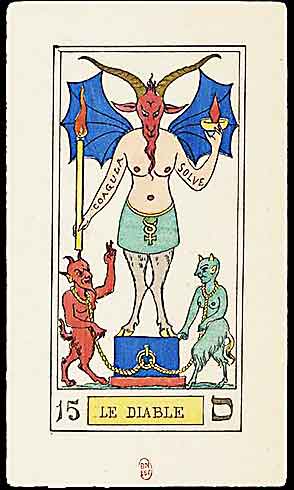 |
 |
8 | |||
| 1 |  |
 |
7 | |||
 |
2 |  |
6 |  |
||
 |
3 | 5 | 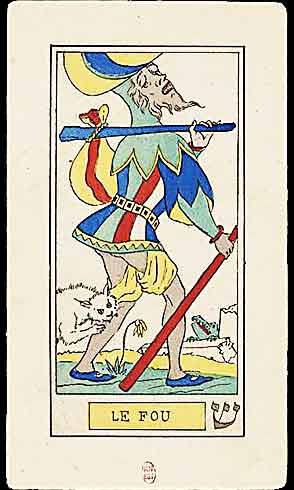 |
|||
 |
4 | 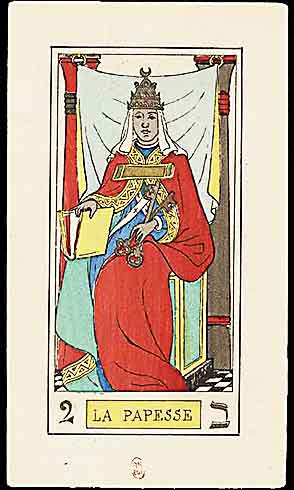 |
||||
 |
1: Basic Mood
The Pope represents tradition, spiritual guidance, and morality. He symbolises the need for structure, passing sacred knowledge, and alignment with established systems or mentors.
Symbolism: Seated on a throne with a triple-cross sceptre and a raised hand in blessing, the Pope embodies divine wisdom. The twin pillars behind him suggest the gateway to higher knowledge and understanding.
In Relationships: A traditional, committed relationship or the need to realign with moral principles.
In Work: Seek guidance from a mentor or adhere to established structures for success.
Spiritually: The Pope calls for a return to faith, ethics, and divine wisdom in all aspects of life.
When ill-dignified: Dogmatism, hypocrisy, or blind adherence to outdated traditions.
2: Finance
The Chariot represents victory, control, and determination. It signifies the ability to overcome obstacles and navigate life's challenges through focus and willpower.
Symbolism: The charioteer rides a chariot drawn by two sphinxes, symbolising opposing forces that must be balanced. The chariot is adorned with symbols of conquest, and the figure wears a crown, signifying authority and triumph.
In Relationships: A relationship driven by effort and mutual determination, or one that requires balance and compromise.
In Work: Triumph through perseverance, conquering challenges with focus.
Spiritually: A journey of self-mastery, overcoming inner struggles, and moving forward with purpose.
When ill-dignified: Recklessness, lack of direction, or being pulled in conflicting directions.
3: Mundane Life
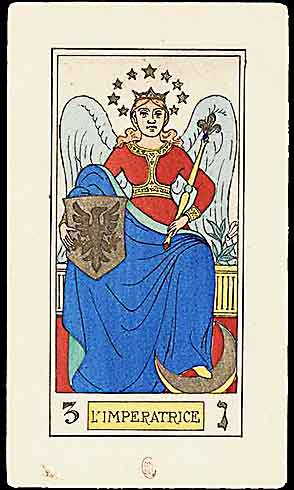
The Empress embodies creativity, fertility, and nurturing energy. She symbolises the fruitful aspects of life, from creativity to personal growth, and encourages abundance in all forms.
Symbolism: Adorned with a crown of stars, she sits in a lush, fertile garden, holding a sceptre and shield. These symbols signify both authority and protection. The crescent moon beneath her feet connects her to cycles of intuition and growth.
In Relationships: Nurturing love, emotional bonds, or the creation of something new in a relationship, such as a family.
In Work: Success in creative ventures, productive work, and harmony.
Spiritually: Connection with natural and cosmic cycles, alignment with divine timing.
When ill-dignified: Stagnation, overindulgence, or the misuse of creative energy.
4: Home
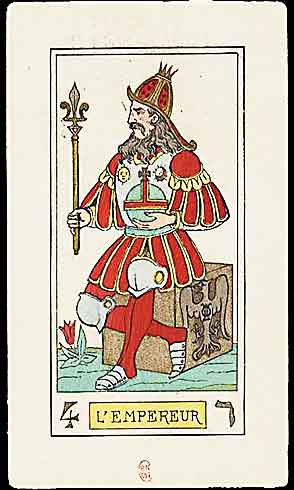
The Emperor embodies structure, authority, and rational leadership. He embodies the power of order and disciplined action, urging us to establish strong foundations and clear boundaries in all aspects of life.
Symbolism: Adorned with a regal crown and seated on an imposing throne, the Emperor exudes control and stability. His detailed, authoritative attire and the subtle inclusion of esoteric symbols speak to a mastery over both the material and the mystical realms, emphasising the importance of balance between external order and inner wisdom.
In Relationships: The Emperor encourages healthy dynamics marked by protection, responsibility, and mutual respect. His energy suggests that strong leadership and clear boundaries can foster trust and stability within partnerships.
In Work: Success in professional endeavours comes through strategic planning, disciplined execution, and the establishment of order. The Emperor's influence highlights leadership, authority, and the ability to structure one's environment for optimal productivity.
Spiritually: Embodying a union of earthly power and cosmic order, the Emperor invites you to align your will with higher universal principles. His guidance emphasises the importance of self-discipline and integrity on the path to spiritual growth.
When ill-dignified: A misaligned Emperor may indicate an overbearing or inflexible attitude, where authority turns into domination and rigidity stifles creativity and progress.
5: Fun Things
The High Priestess represents intuition, wisdom, and hidden knowledge. She invites introspection and reminds us to trust our inner voice in uncovering truths that are not immediately apparent.
Symbolism: Seated on a throne with a book of wisdom and keys, the High Priestess represents access to esoteric knowledge. The curtains behind her suggest mystery and the boundary between the conscious and unconscious realms.
In Relationships: Emotional depth, secrets, or a need for patience and understanding.
In Work: Hidden opportunities, deep research, or learning emerging from within.
Spiritually: Trust your intuition and explore spiritual truths beyond the material world.
When ill-dignified: Ignorance, repressed emotions, or manipulation behind the veil of mystery.
6: Work
The Fool represents freedom, spontaneity, and new beginnings. This card signifies the start of an adventurous journey, full of potential but also uncertainty. He reminds us to embrace the unknown with optimism and an open heart.
Symbolism: The Fool carries a staff and a small sack, symbolising untapped potential and the lessons to be learned. The playful animal at his feet represents instinct, loyalty, and sometimes, the forces that pull us in conflicting directions. His carefree attitude invites a leap into the unknown.
In Relationships: New romantic beginnings, playfulness, and spontaneity, but be wary of impulsive actions.
In Work: A time for exploration, openness to unconventional opportunities, and embracing the unfamiliar.
Spiritually: Embarking on a journey of self-discovery, embracing the unknown with faith.
When ill-dignified: Recklessness, lack of foresight, and the dangers of ignoring consequences.
7: Partners
The Sun represents clarity, success, and vitality. It signifies moments of joy, abundance, and realising one's potential.
Symbolism: The Sun shines gloriously over a youthful couple, symbolising innocence, energy, and optimism. A multi-coloured brick wall shelters them, representing protection, growth, vitality, and success. The clear sky suggests obstacles are removed and clarity reigns.
In Relationships: Joyful, open-hearted love. The Sun represents happiness, clear communication, and successful partnerships.
In Work: Success, recognition, and the fulfilment of goals. Positive energy surrounds professional endeavours.
Spiritually: Enlightenment and the ability to see the truth clearly.
When ill-dignified: Arrogance, overconfidence, or a tendency to overlook important details in the pursuit of success.
8: Hidden Aspects
Death signifies transformation, endings, and new beginnings. Rather than literal death, it represents the end of a phase in life, making way for rebirth and regeneration.
Symbolism: Death is portrayed as a skeleton reaping the harvest with a scythe, signifying purification and the promise of growth. Parts of the fallen lie before them, representing what must be left behind for transformation to occur. The card's imagery reminds us that change is inevitable.
In Relationships: An ending or significant change, clearing the way for fresh developments or perspectives.
In Work: The end of a project, job, or phase of life, leading to the start of something new and transformative.
Spiritually: A transformative time where old beliefs or habits must be released for personal growth.
When ill-dignified: Resistance to change, stagnation, or fear of transformation.
9: Higher Views
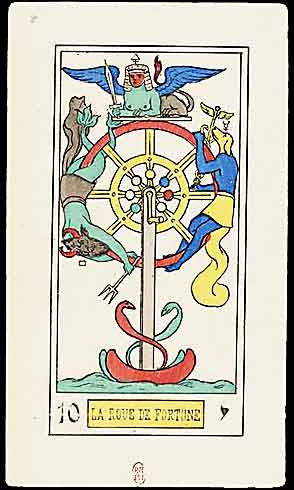
The Wheel of Fortune signifies change, cycles, and destiny. The wheel turns, representing the ebb and flow of fortune and the constant cycles of life.
Symbolism: The wheel, surrounded by figures and animals, turns with inevitability. A sphinx sits atop the wheel, symbolising wisdom amidst life's changes. The card reflects the role of fate in the twists and turns of existence.
In Relationships: A shift in relationship dynamics or new opportunities.
In Work: Fortuitous changes or shifts in circumstances, often outside of your control.
Spiritually: Trust in the cycles of life and accept the flow of destiny.
When ill-dignified: Resistance to change or feeling trapped in an unfavourable cycle.
10: Reputation
Justice represents balance, fairness, and accountability. This card calls for the resolution of disputes and alignment with truth and fairness in all areas of life.
Symbolism: Justice sits with a sword in one hand and scales in the other, symbolising impartiality, truth, and balance. Her crown and steady gaze emphasise her authority over matters of fairness.
In Relationships: A balanced relationship or the need to resolve unresolved issues with fairness and integrity.
In Work: Legal matters, contracts, or decisions that require careful evaluation.
Spiritually: A reminder to live truthfully, aligning actions with higher principles.
When ill-dignified: Dishonesty, imbalance, or the refusal to accept responsibility for one's actions.
11: Friends
The Devil represents temptation, materialism, and the enslavement of desires. It points to the darker aspects of the self, where one is bound by addictions, fears, or unhealthy attachments.
Symbolism: The Devil is depicted as a horned figure with a monstrous appearance, standing over two chained figures. The chains are loose, indicating that freedom is possible, but the figures are unaware of their power to escape. The card represents self-imposed limitations.
In Relationships: Unhealthy attachments, temptation, or toxic relationships. A call to break free from negative patterns.
In Work: Materialism, greed, or feeling trapped in a situation. The need to release limiting behaviours.
Spiritually: The need to confront personal fears, addictions, or attachments that block spiritual growth.
When ill-dignified: Excess, obsession, or being enslaved by negative influences or desires.
12: Hopes and Fears
The Hermit represents wisdom, introspection, and the search for spiritual clarity. He calls for a retreat into solitude to find deeper meaning.
Symbolism: The Hermit holds a glowing lantern, symbolising divine wisdom. His staff represents the guidance he offers others, while the snake hints at his persuasiveness. His solitary journey through a barren landscape reflects the pursuit of enlightenment.
In Relationships: A time for introspection and finding deeper meaning.
In Work: A need for solitude, mentorship, or stepping back to reassess goals.
Spiritually: A journey of spiritual discovery and the search for deeper truths.
When ill-dignified: Isolation, withdrawal, or stagnation in one's journey.