Ankh Spread
Difficulty: Kind of tough
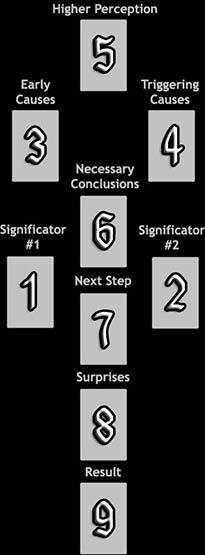
The Ankh Spread is for questions about the causes behind trends. It is similar to the Celtic Cross and Secret of the High Priestess spreads, but it covers the reasons behind the circumstances in question differently, perhaps giving a better explanation of why things are the way they are.
The loop of the upper section of the ankh reveals the spiritual background and causes of the situation, while the stem of the base focuses on prospects for the outcome.
The first two tarot cards represent the two parent causes of the situation. They will either complement each other or show two opposing sides of a conflict, depending on how they relate. These are the significator cards of the Ankh spread.
3. This tarot card shines light upon the early causes of the trend in question.
4. Pinpoints the causes that triggered the current situation.
5. Reveals the spiritual perspective of the subject at hand.
6. This card examines the reasons why this course of action had to unfold, as a means to this end.
At this point, it is good to pause to soak in the meaning of the first six cards before moving forward to the last three cards. The last three reveal prospects for the future.
7. The Next Step gives clues about the immediate future.
8. Surprising Experiences encountered en route to the result.
9. This represents the result.
Your Ankh Reading
Higher Perceptions 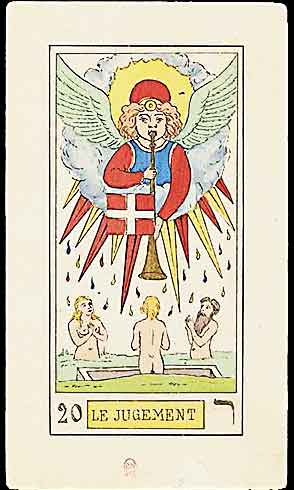 XX – Judgement |
||
Early Causes
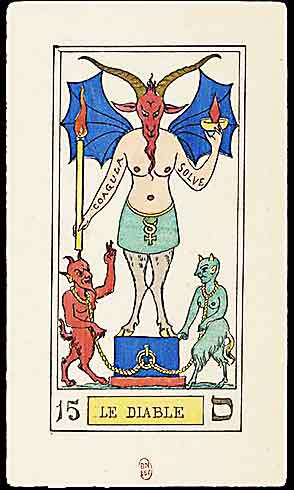 XV – The Devil |
Triggering Causes
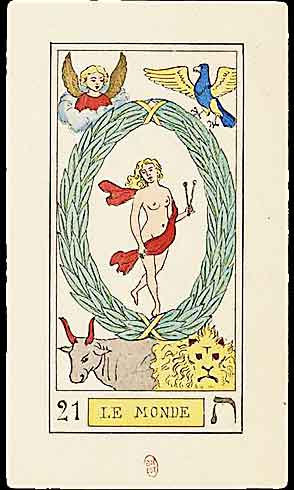 XXI – The World |
|
Necessary Conclusions
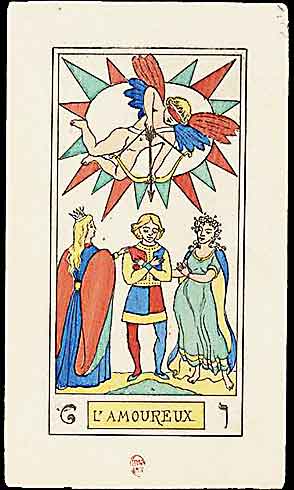 VI – The Lovers |
||
Significator #1
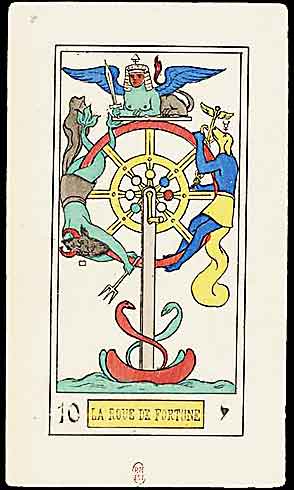 X – The Wheel of Fortune |
Significator #2
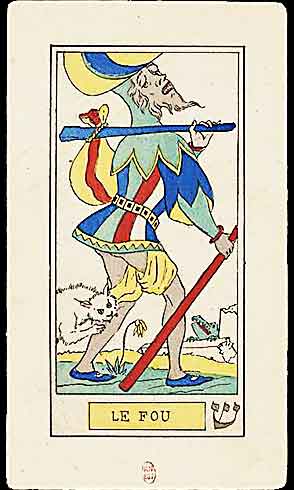 0 – The Fool |
|
Next Step
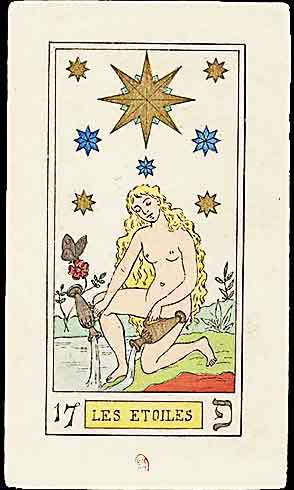 XVII – The Star |
||
Surprising Experiences 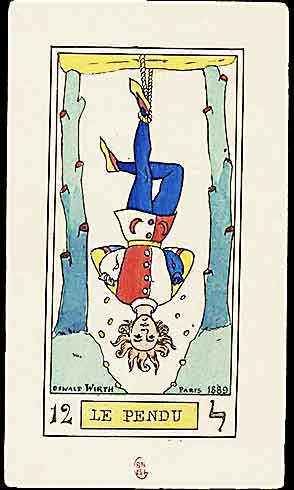 XII – The Hanged Man |
||
Outcome 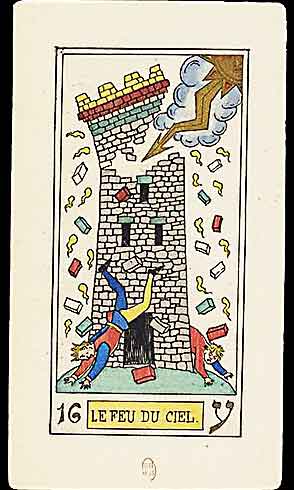 XVI – The Tower |
Significator #1
X – The Wheel of Fortune
The Wheel of Fortune signifies change, cycles, and destiny. The wheel turns, representing the ebb and flow of fortune and the constant cycles of life.
Symbolism: The wheel, surrounded by figures and animals, turns with inevitability. A sphinx sits atop the wheel, symbolising wisdom amidst life's changes. The card reflects the role of fate in the twists and turns of existence.
In Relationships: A shift in relationship dynamics or new opportunities.
In Work: Fortuitous changes or shifts in circumstances, often outside of your control.
Spiritually: Trust in the cycles of life and accept the flow of destiny.
When ill-dignified: Resistance to change or feeling trapped in an unfavourable cycle.
Significator #2
0 – The Fool
The Fool represents freedom, spontaneity, and new beginnings. This card signifies the start of an adventurous journey, full of potential but also uncertainty. He reminds us to embrace the unknown with optimism and an open heart.
Symbolism: The Fool carries a staff and a small sack, symbolising untapped potential and the lessons to be learned. The playful animal at his feet represents instinct, loyalty, and sometimes, the forces that pull us in conflicting directions. His carefree attitude invites a leap into the unknown.
In Relationships: New romantic beginnings, playfulness, and spontaneity, but be wary of impulsive actions.
In Work: A time for exploration, openness to unconventional opportunities, and embracing the unfamiliar.
Spiritually: Embarking on a journey of self-discovery, embracing the unknown with faith.
When ill-dignified: Recklessness, lack of foresight, and the dangers of ignoring consequences.
Early Causes
XV – The Devil
The Devil represents temptation, materialism, and the enslavement of desires. It points to the darker aspects of the self, where one is bound by addictions, fears, or unhealthy attachments.
Symbolism: The Devil is depicted as a horned figure with a monstrous appearance, standing over two chained figures. The chains are loose, indicating that freedom is possible, but the figures are unaware of their power to escape. The card represents self-imposed limitations.
In Relationships: Unhealthy attachments, temptation, or toxic relationships. A call to break free from negative patterns.
In Work: Materialism, greed, or feeling trapped in a situation. The need to release limiting behaviours.
Spiritually: The need to confront personal fears, addictions, or attachments that block spiritual growth.
When ill-dignified: Excess, obsession, or being enslaved by negative influences or desires.
Triggering Causes
XXI – The World
The World represents completion, fulfilment, and the achievement of wholeness. This card signifies the end of a cycle and the successful realisation of goals and aspirations.
Symbolism: The World features a figure dancing within a wreath, holding two wands. The four corners of the card show the symbols of the fixed signs of the zodiac: the bull, lion, eagle, and man, representing the harmony of the four elements and the completion of the journey.
In Relationships: Harmony, fulfilment, and the completion of a phase of a relationship. The achievement of mutual understanding and goals.
In Work: The successful completion of a project or phase, leading to accomplishment and new beginnings.
Spiritually: The attainment of wholeness, completion, and the alignment of the self with the universe.
When ill-dignified: Complacency, stagnation, or the inability to move forward despite opportunities for growth.
Higher Perceptions
XX – Judgement
Judgement signifies awakening, rebirth, and the call for transformation. It represents a moment of reckoning, where one must confront past actions and make a decisive move towards spiritual renewal.
Symbolism: The card depicts an angel blowing a trumpet, summoning the figures below to rise from their graves. This symbolises resurrection, awakening, and the opportunity to start anew. The figures represent souls being called to accountability and transformation.
In Relationships: A transformative period in relationships, where past actions and decisions must be reconciled.
In Work: A time of reckoning, where decisions from the past may come to fruition, calling for a new direction.
Spiritually: Spiritual awakening and the need to answer a higher call. Transformation and rebirth are key themes.
When ill-dignified: Denial, avoidance of responsibility, or refusal to embrace the transformative potential of change.
Necessary Conclusions
VI – The Lovers
The Lovers represents choice, duality, and the connections that shape our lives. This card often signals a critical decision between love and duty, passion and responsibility.
Symbolism: A young man stands between two women, representing virtue and temptation, while a winged figure above aims a bow and arrow, guiding his choice. The lush background reflects the complexity and growth that relationships bring.
In Relationships: Choices in relationships, including romantic triangles, commitment, or the deepening of bonds.
In Work: A crossroads where personal values must be aligned with career decisions.
Spiritually: A call to balance inner conflicts and unite dualities in the quest for harmony.
When ill-dignified: Indecision, infidelity, or superficiality in relationships.
The Next Step
XVII – The Star
The Star represents hope, inspiration, and divine guidance. This card signifies moments of clarity, healing, and the connection to higher aspirations.
Symbolism: The Star is a nude woman pouring water onto the ground and into a pool, symbolising the flow of spiritual energy. A star shines brightly above her, representing guidance and inspiration. The peaceful, open landscape conveys hope and renewal.
In Relationships: A time of healing, hope, and emotional renewal. This card suggests trust and faith in the potential for deep connection.
In Work: Inspiration, new opportunities, and alignment with your true calling.
Spiritually: A period of spiritual renewal, where divine guidance leads the way towards greater fulfilment.
When ill-dignified: Hopelessness, lack of faith, or feeling disconnected from one's spiritual path.
Surprises
XII – The Hanged Man
The Hanged Man symbolises suspension, sacrifice, and a shift in perspective. This card represents moments when one must release old beliefs or attachments to gain deeper insight and understanding.
Symbolism: The Hanged Man is depicted hanging upside down, suspended by one foot. His serene expression reflects acceptance and surrender, as he finds wisdom through a change in perspective. His hair resembles a crown symbolising enlightenment and the illumination gained through this pause.
In Relationships: A period of reflection, where relationships may need to be reassessed. It could also suggest a sacrifice for love or personal growth within relationships.
In Work: A time for letting go of old ways of thinking, re-evaluating goals, or waiting patiently for a shift in circumstances.
Spiritually: A time for surrender and spiritual enlightenment, achieved through a different perspective.
When ill-dignified: Stagnation, indecision, or an unwillingness to make necessary sacrifices for growth.
The Outcome
XVI – The Tower
The Tower signifies sudden upheaval, revelation, and the breaking down of false structures. This card represents moments of crisis or dramatic change that lead to profound transformation.
Symbolism: The Tower is struck by lightning, causing it to collapse. Figures fall from the tower, symbolising the suddenness and unexpected nature of the event. The crown-like top falling from the tower suggests that pride or false beliefs are being shattered.
In Relationships: A sudden revelation or event that shatters illusions, leading to change or the breakdown of a relationship.
In Work: Unexpected disruption, the destruction of old structures, or a breakdown of outdated systems.
Spiritually: A wake-up call that challenges beliefs or systems, leading to greater clarity and spiritual growth.
When ill-dignified: Crisis, destruction without transformation, or a refusal to accept change.