
Horse Shoe Spread
Difficulty: Easy
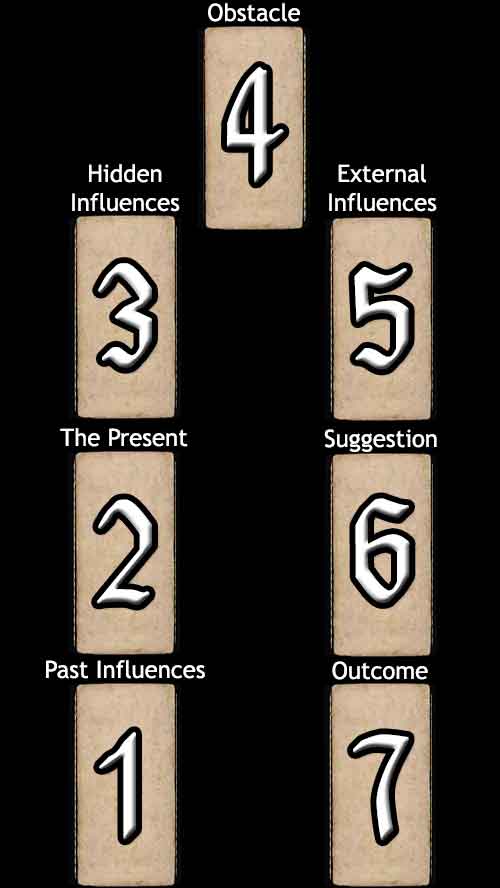
The Horse Shoe is a classic tarot spread. It is more advanced than the three-card reading, yet simpler than most other spreads. It is a versatile method that can be used for most queries, though there are other spreads which would go into more depth. Like the simple Past, Present, and Future spread, it contains these cards in positions #1, #2, and #7, but also has four other tarot cards that help the reader understand how to deal with the future better. The cards are to be read as follows:
- The Past: Past events affecting the question.
- The Present: The current state or approaching influence.
- Hidden Influences: Things the reader may not be aware of (or barely be aware of).
- Obstacles: This is the challenge: obstacles may be avoided or may have to be dealt with.
- External Influences: Attitudes and thoughts regarding people around the reader.
- Suggestions: Recommended course of action.
- Outcome: The result of following the suggestions.
Your Horse Shoe Reading
Obstacle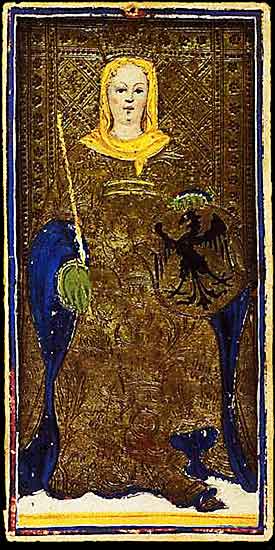 III – The Empress |
||
Hidden Influences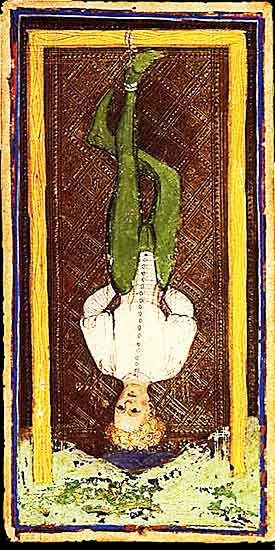 XII – The Hanged Man |
External Influences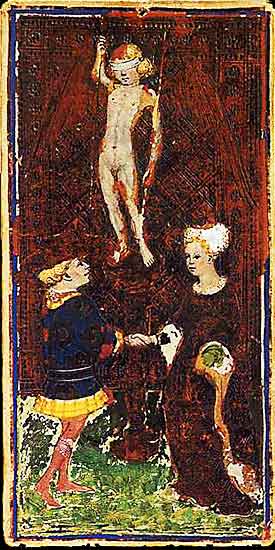 VI – The Lovers |
|
The Present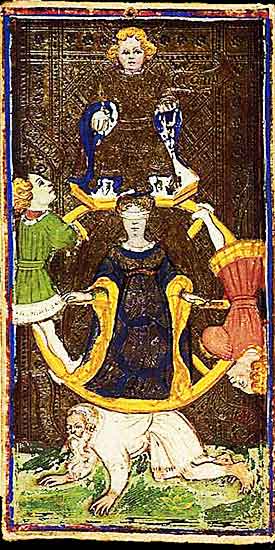 X – The Wheel of Fortune |
Suggestion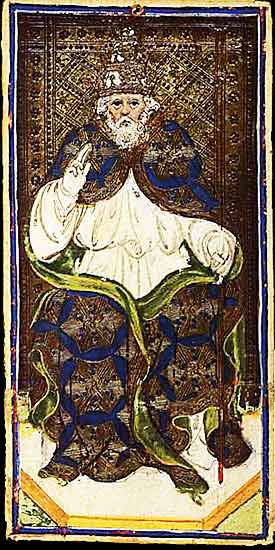 V – The Pope |
|
The Past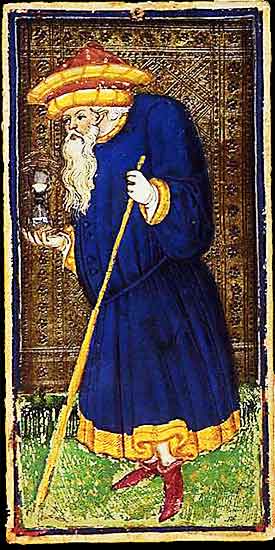 IX – The Hermit |
The Outcome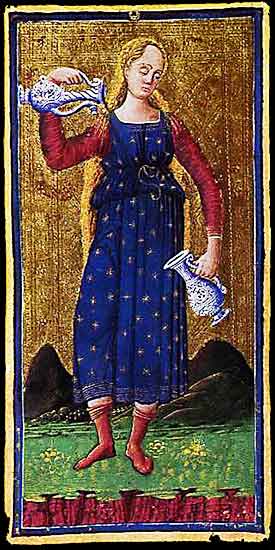 XIV – Temperance |
The Past Card represents past events that are affecting the question.
IX – The Hermit
The Hermit symbolises introspection, solitude, and the search for wisdom. He represents the retreat from worldly distractions to find enlightenment within.
Symbolism: The Hermit's lantern lights the way, symbolising inner guidance. His heavy robes and staff reflect humility and steadfastness, while the muted tones and golden accents emphasise the sacred nature of his solitary journey.
In Relationships: A period of introspection. The Hermit may suggest a need for space or reflection before moving forward.
In Work: Time to step back and assess your goals. The Hermit advises seeking clarity and wisdom before making decisions.
Spiritually: The Hermit represents the inner search for truth and enlightenment through meditation and solitude.
When ill-dignified: Isolation, withdrawal, or a refusal to seek help. It warns against becoming too introspective or disconnected.
The Present Card represents the current state or immediately approaching influence.
X – The Wheel of Fortune
The Wheel of Fortune signifies cycles, fate, and the ever-changing nature of life. It reminds us of the importance of adaptability and acceptance in the face of change.
Symbolism: Figures ascending and descending on the wheel represent the ups and downs of life. The patterns add richness to the composition, while the golden background underscores the divine and inevitable nature of change.
In Relationships: A turning point in relationships, whether for better or worse. The Wheel reminds us to embrace change.
In Work: Unexpected opportunities or setbacks. It advises adaptability and resilience in navigating shifting circumstances.
Spiritually: The Wheel teaches surrender to the cycles of life and faith in the greater plan of the universe.
When ill-dignified: Resistance to change, bad luck, or repeating cycles. It warns against clinging to the past or fearing the future.
Hidden Influences - Things that you may not be aware of, or barely be aware of.
XII – The Hanged Man
The Hanged Man represents a moment of suspension, transformation, and the profound wisdom of surrender. It is the card of acceptance, urging one to release control and embrace a new perspective, even at the cost of discomfort.
Symbolism: The figure's suspended position signifies the state of hanging between worlds, a soul caught in the liminal space between the old and new. The calm expression of surrender contrasts with his precarious state, highlighting the necessity of letting go to gain understanding. The patterns of his tunic, combined with the golden glow, evoke a sacred pause in time, elevating this card to a spiritual level.
In Relationships: A time to step back and reassess your emotional life. Patience, understanding, and self-reflection are required. The card suggests moments of stillness can lead to profound growth in relationships.
In Work: Professional progress comes through rethinking old strategies. The Hanged Man indicates that a temporary pause or a shift in perspective can lead to breakthroughs.
Spiritually: The card speaks to spiritual enlightenment through sacrifice and release. You are called to surrender to the flow of life and gain higher wisdom.
When ill-dignified: Resistance to change, stagnation, and a refusal to let go. This warns against being trapped by fear or obstinance, preventing personal growth.
Obstacle - This is the challenge.
III – The Empress
The Empress symbolises abundance, creativity, and nurturing energy. She represents the generative force of nature and the ability to create and sustain growth, both literally and figuratively.
Symbolism: The Empress's sceptre and crown symbolise her authority, while her shield connects her to the Visconti family lineage. The floral embroidery on her gown reflects her connection to nature and fertility. The golden background underscores her divine and regal status.
In Relationships: A time of emotional abundance and nurturing. The Empress signals love, harmony, and growth.
In Work: Creative projects flourish under the Empress's guidance. She encourages nurturing ideas and building strong foundations.
Spiritually: The Empress represents the divine feminine, inviting the seeker to embrace growth and connect with nature's rhythms.
When ill-dignified: Stagnation, overindulgence, or a smothering presence in relationships.
External Influences - Attitudes about this situation from people around the querent.
VI – The Lovers
The Lovers represent choice and the uniting of opposites. It embodies the transformative power of love and the necessity of making meaningful decisions.
Symbolism: The young couple standing beneath Cupid symbolises connection and divine guidance in love. The formal Renaissance clothing and the golden background elevate their union to a sacred level, while the static composition emphasises balance and deliberate choice.
In Relationships: A powerful connection that unites hearts and souls. It may signify a new relationship or a pivotal choice in love.
In Work: A partnership or decision with far-reaching consequences. The Lovers encourage the alignment of values with your work.
Spiritually: The Lovers symbolise unity with your higher self and the harmonious integration of opposites.
When ill-dignified: Temptation, discord, or indecision. It warns against superficial connections or poor choices.
Suggestion - The recommended course of action.
V – The Pope
The Pope represents tradition, spiritual authority, and shared values. He embodies the connection between divine wisdom and earthly institutions, urging adherence to established principles.
Symbolism: The Pope's raised hand conveys blessing, while his staff with a triple cross represents divine authority. The kneeling figures at his feet highlight devotion and the transmission of sacred teachings. The symmetrical composition and golden background reinforce his role as a stabilising spiritual guide.
In Relationships: A union founded on shared values or traditions. It may suggest the influence of societal expectations on relationships.
In Work: Success comes through adherence to established systems or mentorship from a trusted authority figure.
Spiritually: The Pope urges respect for spiritual traditions and the wisdom passed down through generations.
When ill-dignified: Dogma, blind conformity, or resistance to innovation. It cautions against rigid adherence to outdated ideas.
The Outcome - What will happen if the suggestion is followed.
XIV – Temperance
Temperance represents harmony, balance, and the art of blending opposites. It suggests a time of calm, careful moderation, and the synthesis of differing energies into a cohesive whole.
Symbolism: Pouring liquid from one vessel to another symbolises the balance and exchange between opposing forces—emotion and intellect, fire and water, inner and outer worlds. Her graceful posture and tranquil demeanour indicate deliberate action, emphasising that peace comes through moderation. The golden background elevates balance to the divine level, suggesting that harmony is sacred.
In Relationships: Temperance encourages balance in relationships. It asks for patience and moderation in interactions, fostering an environment where both partners can harmonise their differences.
In Work: Success comes through collaboration and maintaining equilibrium. This card advises you to blend your talents with those of others, seeking compromise rather than extremes.
Spiritually: Temperance represents spiritual equilibrium. It calls for integrating the material and spiritual worlds, balancing one's desires and needs for peace and alignment.
When ill-dignified: Imbalance, excess, or a lack of harmony. This could indicate dissonance in relationships, career, or spiritual practice, warning against overindulgence or extremes.