
Relationship Spread #2
Difficulty: Easy
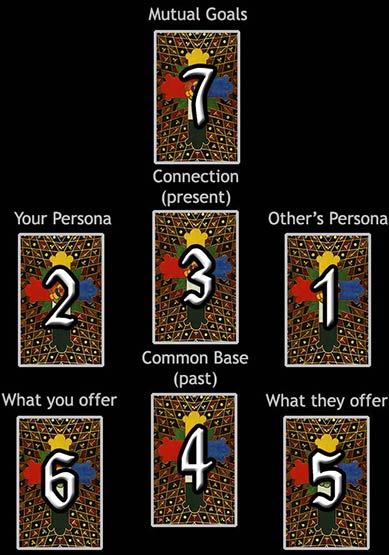
This relationship spread focuses more on the common ground of the relationship, with three cards in the middle column showing the common ground. The middle column essentially displays the past, present, and future of the relationship.
Card #4 stands for the common base of the relationship, which may be thought of as the past events which have shaped their characters, bringing them together. The current connection that binds them together is Card #3, indicating the values shared. Card #7 implies the common goals that would keep the pair together moving into the future.
The columns on either side show what each partner brings to the table. Remember, relationships need not be romantic, and the partners could even be groups rather than individuals. In this layout, the other person is on the left-hand side and the reader on the right.
Cards #1 & #2 indicate the separate personalities of each member of the relationship. These cards form a sort of bridge with the cards beneath them, #5 & #6, which show the qualities that each partner offers the other person, and thus to the relationship as a whole.
Your Relationship #2 Reading
Mutual Goals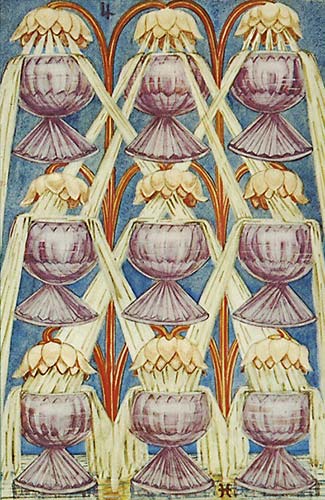 |
||
Your Qualities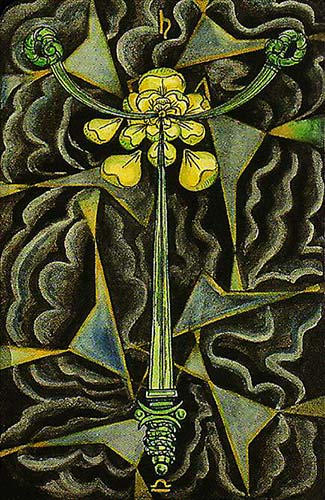 |
Connection (Present)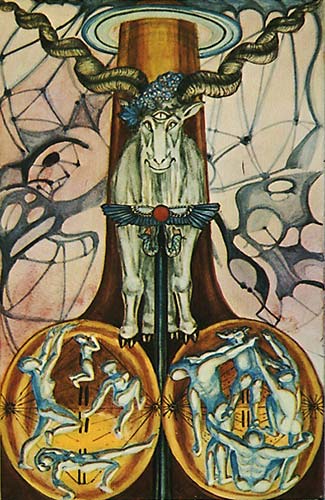 |
Others' Qualities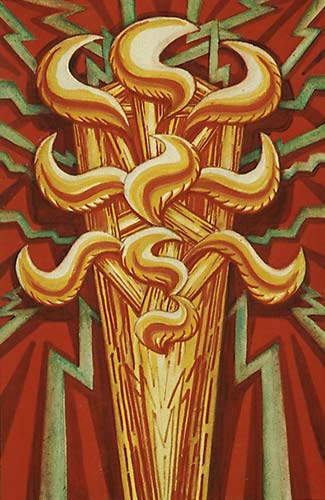 |
What You Bring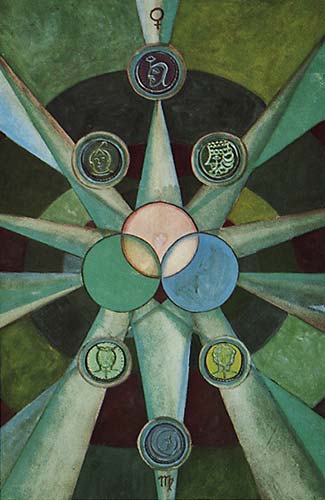 |
Common Base (Past)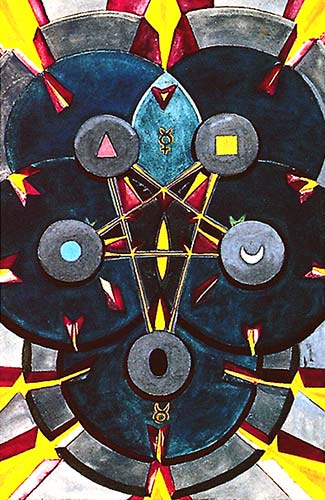 |
What They Bring 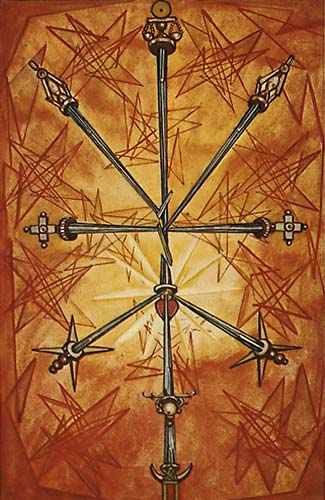 |
7: Mutual Goals
Nine of Cups (Happiness)
Astrological Correspondence: Jupiter in Pisces
The Nine of Cups represents joy, emotional abundance, and the fulfilment of heartfelt desires. This card depicts nine cups arranged symmetrically, overflowing with clear, pure water, symbolising the harmonious flow of emotional energy. The imagery exudes completeness and satisfaction, reflecting the culmination of efforts that lead to genuine happiness.
Jupiter in Pisces combines the expansive, benevolent energy of Jupiter with Pisces' intuitive and empathetic nature, creating a powerful alignment of emotional depth and generosity. This pairing amplifies the sense of boundless joy, compassion, and the effortless manifestation of desires.
The Nine of Cups signifies a time of emotional contentment and the realisation of aspirations. It encourages you to revel in your achievements, appreciate the beauty of life's blessings, and share your joy with others. While it is a card of celebration and abundance, it also reminds us to remain open to the continuous flow of emotional energy, ensuring that happiness is not stagnant but ever-renewing.
In Relationships: The Nine of Cups signifies the satisfaction of emotional desires. It can indicate the fulfilment of a romantic wish, such as finding true love, an emotionally harmonious relationship, or strengthening an existing bond. There is contentment and emotional satisfaction in the romantic sphere.
In Work: The Nine of Cups represents emotional fulfilment through one's work. It suggests you are on the path towards achieving your professional goals and are experiencing success and satisfaction. This is a card of recognition, where you can bask in the joy of your accomplishments.
Spiritually: The Nine of Cups is a card of emotional and spiritual fulfilment. It suggests a time of peace, harmony, and the realisation of spiritual desires. You may feel aligned with your higher self and at peace with your spiritual journey.
When ill-dignified: The Nine of Cups can indicate emotional overindulgence, satisfaction derived from shallow or materialistic pursuits, or complacency. It can point to a temporary sense of fulfilment that does not last, leading to emotional emptiness after the initial joy fades.
3: Connection
XV – The Devil
(Capricorn, Ayin)
The Devil symbolises bondage, materialism, and the potent, often misunderstood forces of desire and instinct. Associated with Ayin, the eye, this card invites a piercing vision into the illusions and structures that bind us. Capricorn, the zodiac of ambition and discipline, infuses the card with themes of mastery over material and earthly limitations.
The central figure is a goat before a phallic structure, symbolising generative power and material dominance. This card is seething with esoteric symbols of competition within a person. The background, webbed in deep, earthy tones, suggests the shadowy nature of the forces at play. The card is alive with energy, hinting at temptation and the potential for liberation.
In Relationships: The Devil represents intense, often obsessive attraction. It can warn of relationships rooted in control or dependency, urging you to assess whether your connections are serving your growth.
In Work: This card suggests material success, often achieved through relentless ambition. However, it warns of becoming enslaved by wealth or status and advises balancing ambition with higher values.
Spiritually: The Devil symbolises the necessity of confronting and integrating one's shadow self. It calls you to transcend material attachments and awaken to higher truths.
When ill-dignified: The Devil warns of oppression, excessive materialism, or destructive desires. You are advised to liberate yourself by recognising and overcoming illusions and self-imposed limitations.
4: Common Base
Five of Disks (Worry)
Astrological Correspondence: Mercury in Taurus
This card symbolises material challenges, hardship, and feelings of insecurity. The image of five disks scattered and disconnected represents financial or material instability, often accompanied by feelings of worry, anxiety, or fear about the loss of wealth or resources. This card reflects the difficulties that arise when material circumstances are not in alignment, and it points to struggles that may leave one feeling deprived or vulnerable.
Despite the sense of hardship, the Five of Disks also suggests change and recovery are possible, especially if one faces these difficulties with perseverance and determination. The influence of Mercury in Taurus stresses the need for clear communication, careful thought, and practical action in navigating through this period of instability. The card reminds you that, although the situation may seem bleak, persistence and adaptability can pave the way for renewal and recovery in the material realm.
In Relationships: The Five of Disks can signal feelings of neglect, isolation, or worry. There may be concerns about security, whether emotional or financial, leading to strain within a partnership. The card advises you to face challenges together and not allow fear or insecurity to dominate the relationship.
In Work: The Five of Disks suggests financial difficulties or setbacks. It may point to job loss, debt, or economic downturns that can create insecurity. The card encourages you to persevere and seek new opportunities, as material stability can be restored with the right effort and mindset.
Spiritually: The Five of Disks may indicate spiritual poverty or disconnection from one's higher self. It can suggest a lack of faith in the face of adversity or material struggle. The card encourages you to find strength within and trust that spiritual renewal is possible, even during challenging times.
When ill-dignified: The Five of Disks can point to extreme loss, greed, or a fixation on material concerns at the expense of everything else. There may be a tendency to wallow in despair or make rash decisions based on fear or panic. You may be facing unnecessary difficulties due to poor choices or neglect.
2: Your Qualities
Three of Swords (Sorrow)
Astrological Correspondence: Saturn in Libra
The Three of Swords symbolises mental anguish, sorrow, and clarity from confronting painful truths. It represents the difficult, often harsh, realities of life that require one to face mental or emotional suffering head-on. The card depicts three swords touching at their points, reflecting the tension and sharpness of conflicting thoughts and emotions. This is a card of sorrow and emotional intensity, but also one that points to the healing power of facing the source of the pain.
With Saturn's influence in Libra, the Three of Swords emphasises the need for structure and discipline in dealing with mental and emotional hardship. While the card may signify heartache or betrayal, it also invites you to understand the lessons that emerge from these experiences. There is clarity in this suffering, as difficult as it may be, which leads to growth and transformation.
The Three of Swords urges you to acknowledge your sorrow, accept the lessons it brings, and move towards healing. It is a reminder that, although painful, confronting emotional distress opens the door to wisdom and resilience.
In Relationships: The Three of Swords often points to heartbreak, betrayal, or the end of a relationship. It suggests you may be facing emotional pain or a difficult separation. While painful, it can also indicate the end of confusion, as the truth gets revealed.
In Work: The Three of Swords can represent disappointment or betrayal within the workplace, perhaps a sudden failure, a broken partnership, or a loss. It signals a need to grieve and process the pain but also suggests clarity will emerge as you face the truth of the situation.
Spiritually: The Three of Swords points to the necessity of confronting inner pain or sorrow to achieve spiritual growth. This card invites you to face difficult emotions head-on and use them to develop strength and wisdom. It suggests that healing comes from acknowledging pain and moving through it with awareness.
When ill-dignified: The Three of Swords may indicate an inability to heal from old wounds, or a tendency to dwell in heartbreak without moving forward. You may be stuck in a cycle of mental suffering or unable to release old pain. It could also signify mental cruelty or the misuse of intellect in causing harm to others.
1: Their Qualities
Ace of Wands
(Root of Fire)
The Ace of Wands bursts with raw, fiery energy, representing the essence of creation, power, and new beginnings. This card features a radiant, explosive pillar of fire, emanating brilliant golden flames. The flames twist and curl into serpentine forms, symbolising uncontained potential, primal force, and the dynamic nature of inspiration. Surrounding jagged lightning bolts reinforce the card's theme of sudden illumination and transformative energy. This is the unfiltered essence of fire—pure will, passion, and the unstoppable drive to bring something new into existence.
In Relationships: The Ace of Wands signals the beginning of a passionate and dynamic relationship, full of energy and potential. It represents the excitement of a new romantic connection or the rekindling of a passionate bond.
In Work: This card suggests a surge of inspiration or the start of an exciting new project. It encourages you to take bold action and trust in your creative abilities to manifest your ambitions.
Spiritually: The Ace of Wands represents the spark of spiritual awakening or a new phase in spiritual growth. It urges you to trust your inner fire and seek alternative paths of enlightenment and self-expression.
When ill-dignified: The Ace of Wands can indicate a lack of direction, wasted energy, or premature enthusiasm. It cautions against rushing into new ventures without a solid foundation or purpose. You should reflect on whether your creative impulses are grounded or merely fleeting.
6: What You Bring
Nine of Disks (Gain)
5: What They Bring
Ten of Swords (Ruin)
Astrological Correspondence: Sun in Gemini
The Ten of Swords symbolises the culmination of mental struggle and the end of a difficult intellectual phase. The card depicts ten swords arranged in the shape of the Tree of Life, illustrating the collapse of mental structures. This imagery emphasises the breakdown of old thought patterns and the finality of a challenging mental cycle.
This card represents a moment of intense closure, often following conflict, betrayal, or harsh mental realisations. However, it is not merely a card of defeat—it marks the end of a chapter and the potential for renewal. The swords' placement in the Tree of Life suggests that the end of one cycle clears the way for new understanding and growth. Though the situation may feel like a dramatic loss, it carries the seed for transformation, indicating that closure creates space for new possibilities.
In Relationships: The Ten of Swords indicates a painful end or betrayal, often one where mental or emotional abuse has occurred. It may represent the end of a toxic situation or the final straw in a relationship that has been deteriorating for some time. While painful, this card can also indicate that you are ready for closure and can now move on to new possibilities.
In Work: The Ten of Swords signifies a complete failure or collapse of a project or endeavour, often because of betrayal, poor judgement, or harsh realities. It may represent the end of a career or a job but also suggests that this ending is necessary to make way for new opportunities. It's a card of finality and transition, signalling that the worst is over.
Spiritually: The Ten of Swords represents hitting rock bottom mentally and emotionally, but also the possibility of spiritual rebirth. It signals a time when you may have suffered greatly, but this suffering can lead to deeper understanding and growth. It encourages you to release old thought patterns and embrace a fresh, transformative spiritual journey.
When ill-dignified: The Ten of Swords indicates prolonged suffering, often due to an inability to let go of mental hurts or betrayals. It suggests you may be stuck in a cycle of self-inflicted pain, unable to release negative thoughts or emotional baggage. The card warns against dwelling in despair and encourages you to recognise that the worst has passed and that renewal is possible.