
Horse Shoe Spread
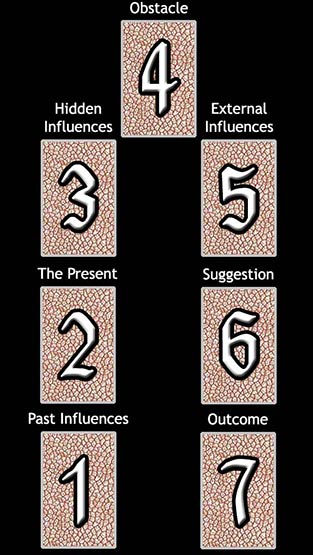
Difficulty: Easy
The Horse Shoe is a classic tarot spread. It is more advanced than the three-card reading, yet simpler than most other spreads. It is a versatile method that can be used for most queries, though there are other spreads which would go into more depth. Like the simple Past, Present, and Future spread, it contains these cards in positions #1, #2, and #7, but also has four other tarot cards that help the reader understand how to deal with the future better. The cards are to be read as follows:
- The Past: Past events affecting the question.
- The Present: The current state or approaching influence.
- Hidden Influences: Things the reader may not be aware of (or barely be aware of).
- Obstacles: This is the challenge: obstacles may be avoided or may have to be dealt with.
- External Influences: Attitudes and thoughts regarding people around the reader.
- Suggestions: Recommended course of action.
- Outcome: The result of following the suggestions.
Your Horse Shoe Reading
Obstacle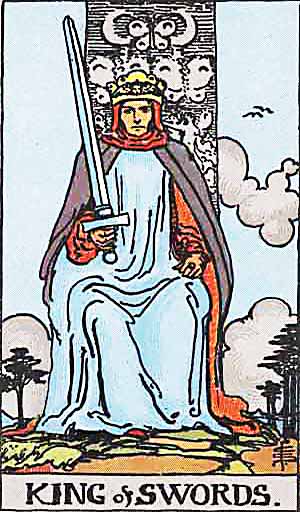 King of Swords, Reversed |
||
Hidden Influences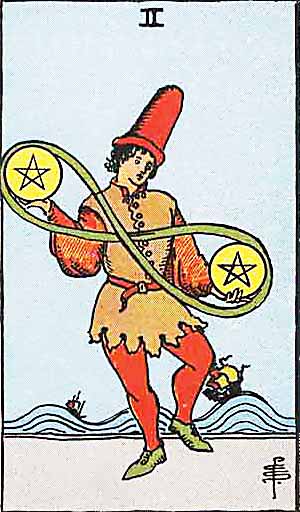 Two of Pentacles, Reversed |
External Influences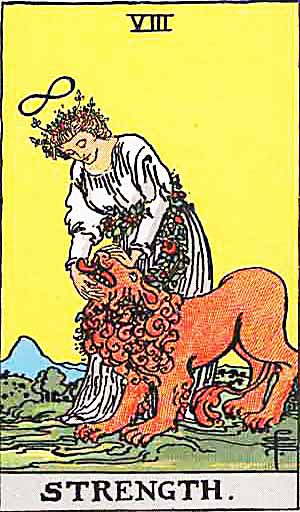 VIII – Strength |
|
The Present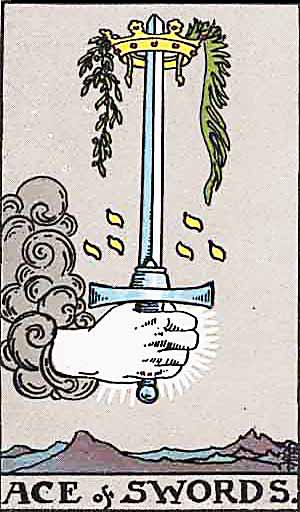 Ace of Swords |
Suggestion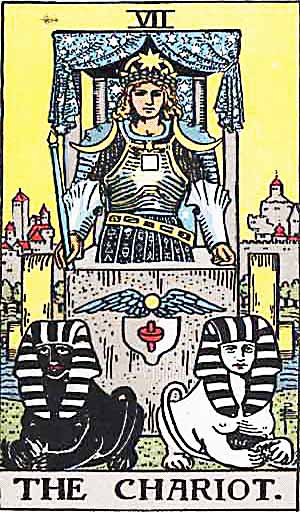 VII – The Chariot, Reversed |
|
The Past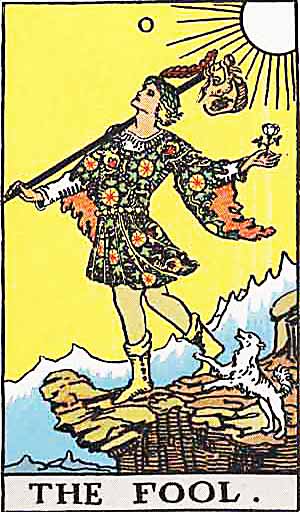 0 – The Fool |
The Outcome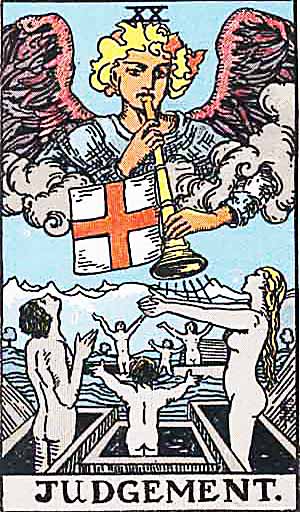 XX – Judgement, Reversed |
The Past Card represents past events that are affecting the question.
0 – The Fool
The Fool represents the beginning of an inner and outer journey, a leap of faith into the unknown where infinite possibilities lie. This card embodies potential and purity. It represents the spirit of new beginnings before experience has shaped the self. The Fool carries a light knapsack, signifying that experiences or material attachments do not burden him. His innocence and openness suggest a state of trust in the universe and a readiness to take risks, unafraid of the unknown.
The Fool stands at the edge of a precipice, symbolising the readiness to step into the unknown. This is a moment of incredible freedom, where the Fool is not concerned with failure or the consequences of his actions, for his journey itself is the goal. The dog at his feet represents loyalty and instinct, encouraging him to follow his intuition without fear. The Fool represents the beginning of all things, the spark of creation itself.
In Relationships: The Fool invites openness, spontaneity, and fresh starts. This card suggests embarking on new romantic experiences without the weight of baggage. It encourages you to approach love with an open heart, ready to explore new connections and uncharted territory. The Fool signifies trust, freedom, and the joy of new beginnings, free from inhibitions.
In Work: The Fool signals a new chapter in one's professional life. It may indicate the start of an exciting journey or project, urging you to embrace change and take a risk for growth and fulfilment. This card encourages stepping out of your comfort zone, trusting that the journey will bring valuable experiences and opportunities despite an uncertain future. The Fool advises boldness and enthusiasm in pursuing career goals, suggesting that success may come from breaking away from conventional paths.
Spiritually: The Fool represents the call to venture beyond the ego, to explore new realms of consciousness and self-awareness. This card invites you to embrace the spiritual journey with innocence and trust, letting go of preconceived notions or rigid beliefs. The Fool encourages surrender to the flow of the universe, letting go of control, and embracing the unknown with faith. It is a reminder that the spiritual path is not about certainty, but the willingness to explore and discover.
The Present Card represents the current state or immediately approaching influence.
Ace of Swords
The Ace of Swords represents clarity, truth, and mental breakthroughs. As the embodiment of raw intellectual power, this card signifies the arrival of new ideas, insights, or a moment of sudden realisation that cuts through the confusion. The sword, as a symbol of intellect and communication, shows that you are being presented with a fresh perspective, the potential for mental clarity, or an opportunity to engage with truth clearly and directly. The Ace of Swords offers the energy of a sharp mind, clear intentions, and the ability to face challenges with a straightforward approach.
This card invites you to embrace the power of your thoughts, speak your truth, and cut away illusions or falsehoods. The Ace of Swords suggests that a moment of intellectual clarity or a new idea could lead to a major shift in how you view your situation or the world. It is a time when the mind is open and ready to absorb new knowledge or solve problems that once seemed insurmountable. The Ace of Swords encourages you to use your intellect and communication skills boldly, trusting that truth and reason will guide you to success.
In Relationships: The Ace of Swords represents clear communication, honesty, and truth. This card signals a time when you or your partner may need to have an important conversation that cuts through misunderstandings or brings clarity to a situation. The Ace of Swords encourages you to speak your truth openly and directly, clearing the air and removing any confusion or deception. This card may also indicate a breakthrough in understanding each other's needs or desires, where clarity leads to a stronger emotional connection. The Ace of Swords reminds you that honesty is essential in love and that addressing hard truths with clarity can bring about profound change and growth.
In Work: The Ace of Swords suggests a new intellectual breakthrough or a fresh idea that could lead to success. It may signify the beginning of a new project, endeavour, or direction in the professional realm based on strategic thinking and clear communication. This card encourages you to use your mental abilities to tackle problems, solve challenges, and move forward confidently. The Ace of Swords often indicates the start of something where clarity of purpose and mental focus are key. You may be called to speak up, lead with logic, or bring a new perspective to your career, potentially leading to greater success.
Spiritually: The Ace of Swords signifies clarity of thought and the pursuit of truth on a deeper level. This card indicates you may experience a moment of spiritual awakening or a surge of insight that cuts through confusion or previous misconceptions. The Ace of Swords invites you to seek truth, challenge old beliefs, and engage with spirituality from a place of intellectual clarity and personal integrity. This card also encourages you to embrace the power of your mind in your spiritual practice, suggesting that mental clarity and an open mind are essential for spiritual growth. It represents the potential for enlightenment, where new understanding can lead to profound transformation.
Hidden Influences - Things that you may not be aware of, or barely be aware of.
Two of Pentacles, Reversed
The Two of Pentacles represents balance, adaptability, and the management of multiple priorities. This card embodies the energy of juggling responsibilities and finding harmony between various aspects of life, particularly in the material or financial realms. The figure on the card balances two pentacles in an ongoing motion, symbolising the need to stay flexible and adaptable while managing competing demands. This card suggests you are in a period of flux, where you must balance work, finances, relationships, or other material concerns to maintain equilibrium.
Reversed, the Two of Pentacles suggests imbalance, overwhelm, or the inability to manage multiple responsibilities effectively. You may struggle to keep up with the demands in your material world, feeling scattered or unable to find harmony between various aspects of your life. This reversal indicates a lack of focus or being pulled in too many directions at once, leading to stress, burnout, or the neglect of important matters. The Two of Pentacles reversed may also point to financial difficulties, disorganisation, or poor time management. The card urges you to reassess your priorities, simplify your commitments, and regain control over your responsibilities before things become unmanageable.
In Relationships: The Two of Pentacles suggests you may be juggling multiple relationships, commitments, or responsibilities within your romantic life. There could be a sense of needing to find a balance between personal and shared priorities with a partner. This card can indicate a period where you are trying to navigate the demands of love, work, and other aspects of your life simultaneously. It encourages you to find equilibrium and avoid becoming overwhelmed. In some cases, the Two of Pentacles may also signify a need to evaluate whether the effort in the relationship is balanced and whether both parties are equally contributing to the partnership. Flexibility, communication, and compromise are key themes for this card in a romantic context.
In Work: The Two of Pentacles signals a time of juggling multiple responsibilities or projects. You may be managing a heavy workload or balancing between different roles, which requires adaptability and organisation. This card suggests you can handle these challenges, but warns against overextending yourself or neglecting important tasks. Time management and flexibility will be essential for success during this period. The Two of Pentacles also suggests there may be a need to prioritise certain tasks over others and not become bogged down by unnecessary distractions. It is a card that encourages you to find a rhythm that supports your long-term goals while remaining open to adjustments as new opportunities or challenges arise.
Spiritually: The Two of Pentacles represents the need for a balance between material concerns and spiritual growth. You may be struggling to maintain harmony between your physical or financial needs and your spiritual practices. This card suggests that spiritual development requires flexibility, and you may need to find ways to adapt your routine to accommodate both your worldly responsibilities and inner growth. The Two of Pentacles encourages you to stay grounded and centred, even when life feels chaotic or uncertain. It reminds you that balance is not about perfection but maintaining equilibrium in a constantly changing world. The card may also signal the need for adaptability in how you approach your spiritual path, allowing you to flow with changing circumstances rather than resisting them.
Obstacle - This is the challenge.
King of Swords, Reversed
The King of Swords represents authority and intellectual power. This card embodies a figure who is not just intelligent but also disciplined and fair. As the master of his intellect, the King of Swords is a strategist, someone able to think critically, make logical decisions, and lead with wisdom and integrity. His sword symbolises truth, communication, and rational thought, and he uses these qualities to rule with honesty and justice. This king is known for his ability to detach from emotions and approach situations objectively, making him an effective problem-solver, leader, and advisor.
Reversed, the King of Swords suggests a misuse of power, poor judgement, or a lack of clarity in communication. You may be struggling to make decisions or acting with manipulation, harshness, or intellectual dishonesty. The reversed King of Swords can indicate someone who is overbearing, cold, or rigid in their thinking, leading to conflict or misunderstanding. Perhaps, you may find it difficult to detach from emotions when objectivity is needed. This card, Reversed, urges you to examine your motives and communication style and bring balance back to your intellect and emotional awareness. It may also indicate a need to seek counsel or guidance from someone with a clearer perspective.
In Relationships: The King of Swords represents clear communication, fairness, and rational decision-making. This card suggests you may need to approach your romantic life maturely, detaching from emotional impulses and focusing on open communication. The King of Swords values honesty and will not tolerate deceit or manipulation. He seeks a partner who can engage in intellectual conversation and mutual respect. While this card may point to a relationship built on solid communication and intellectual connection, it can also indicate a need to avoid being detached or unemotional in love. The King of Swords reminds you to strike a balance between reason and emotional depth in your relationships.
In Work: The King of Swords signifies a position of leadership, decision-making, or authority. You may be in a role where you must lead with intellect, communicate clearly, and make complex decisions. This card suggests your success is tied to your ability to think critically, maintain fairness, and remain objective. The King of Swords also encourages you to embrace your intellectual strengths, whether in a position of power or a field requiring analysis and strategy. It may also indicate the presence of a mentor or advisor who embodies these qualities. The King of Swords could indicate a legal, academic, or advisory role where logic and communication are paramount.
Spiritually: The King of Swords represents wisdom, higher knowledge, and authority. You may be seeking greater understanding or guidance, and this card encourages using your intellect and discernment to find the answers you seek. The King of Swords urges you to be truthful with yourself and seek spiritual growth through disciplined study, meditation, or inner reflection. This card can indicate the need for spiritual leadership, either as you take on a guiding role for others or seek a mentor who can help you navigate your spiritual path. The King of Swords reminds you that spiritual insight comes not just from emotion but from the disciplined and thoughtful exploration of truth.
External Influences - Attitudes about this situation from people around the querent.
VIII – Strength
Strength represents courage, resilience, patience, and control. It embodies the power of taming inner fears, overcoming adversity with gentleness, and having the fortitude to face challenges with grace. A woman calmly holding the jaws of a lion signifies the balance between power and compassion, where strength comes not from force, but from a sense of inner calm and self-confidence. The woman's serene expression conveys that this strength is not aggressive, but is instead the ability to remain composed in the face of difficulty, harnessing personal power through self-discipline and understanding.
This card represents the courage to face life's challenges, persevere with patience, and trust in the process of growth. Strength reminds us that resilience is built from within, and that sometimes the greatest strength lies in showing vulnerability and compassion rather than exerting dominance. It is an invitation to approach difficult situations with kindness, both towards oneself and others, and trust that inner strength will carry you through.
In Relationships: Strength speaks to the power of patience, understanding, and unconditional love. It suggests you may be called upon to show compassion and support, particularly in times of difficulty or uncertainty. This card signifies the need for gentle, yet firm, emotional strength in navigating challenges, and reminds you that love is based on mutual respect, trust, and the ability to remain calm and supportive through all circumstances. It encourages you to act from a place of empathy, understanding that love is about partnership and compassion.
In Work: Strength represents the inner resilience needed to overcome obstacles and persevere in the face of professional challenges. It suggests your path to success will require patience, determination, and a steady hand in difficult situations. This card advises you to rely on your inner strength, confidence, and emotional intelligence to navigate challenges in the workplace, whether dealing with difficult colleagues, demanding tasks, or career setbacks. Strength encourages you to move forward with grace and conviction, trusting that inner resilience will lead you to success.
Spiritually: Strength signifies the mastery of the self, the ability to conquer one's inner demons, and the courage to follow one's spiritual path. This card calls you to dig deep within yourself for the fortitude to face your fears, heal emotional wounds, and cultivate peace. Strength emphasises that true power comes from compassion, inner harmony, and the ability to work through difficulties with faith and patience. It invites you to trust your spiritual journey and allow understanding to guide your growth.
Suggestion - The recommended course of action.
VII – The Chariot, Reversed
The Chariot represents determination, willpower, victory, and control. It embodies the energy of triumph over obstacles, achievement through effort, and the mastery of one's emotions and environment. A strong figure drives a chariot, guided by inner strength and unwavering resolve. The charioteer holds the reins, symbolising the control and discipline needed to direct the forces of will, both within and without. Two sphinxes pull the chariot, looking in opposite directions, representing the balancing of opposing forces that must be harmonised to achieve success.
Reversed, the Chariot can indicate a lack of direction, a loss of control, or an inability to move forward confidently. It may suggest that you are struggling with inner conflict, emotional imbalance, or external challenges that prevent progress. This card reversed warns against being too forceful in trying to achieve goals, as this could lead to setbacks or failure. It also suggests you may need to regain your focus, re-establish your confidence, and find a clearer path forward. The Chariot reversed calls for self-reflection and re-alignment of goals to regain control and momentum.
In Relationships: The Chariot signifies a time of forward movement and decisive action. It suggests you are ready to take control of your romantic life and move past obstacles or doubts. This card can indicate overcoming challenges, gaining clarity about your desires, or taking the lead in matters of the heart. The Chariot encourages you to stay determined and confident, pursuing love with focus and a clear sense of direction. It may also signal a period of growth in a relationship where both partners are moving forward together with shared goals and mutual understanding.
In Work: The Chariot is a powerful card, representing the determination and drive needed to achieve professional goals. It signifies a time to harness your inner strength and take decisive action towards your ambitions. This card encourages you to stay focused on your objectives, overcoming any obstacles or challenges that may arise. The Chariot reminds you that success will be achieved through perseverance, self-discipline, and maintaining control over external distractions. It can also indicate a journey of personal and professional growth, where you can push past your limits to achieve greatness.
Spiritually: The Chariot represents the mastery of one's inner forces and the ability to direct energy towards personal transformation. This card encourages you to use your willpower and focus to overcome spiritual challenges and obstacles, remaining determined on your path of growth and enlightenment. The Chariot invites you to embrace your power, channelling it towards spiritual advancement. It also speaks to the importance of balance and self-control, urging you to stay grounded and focused as you move forward on your spiritual journey.
The Outcome - What will happen if the suggestion is followed.
XX – Judgement, Reversed
Judgement represents self-reflection, transformation, and the call to a higher purpose. The twentieth card of the Major Arcana signifies a time of awakening, a moment of reckoning where you are invited to confront your actions, decisions, and beliefs. An angel blowing a trumpet with people rising from their graves to meet their divine call symbolises the opportunity for a fresh start or renewal through self-assessment and spiritual awakening. This card encourages you to reflect on your life, learn from mistakes, and answer the call to grow into a higher version of yourself.
Reversed, Judgement can indicate a fear of change, self-doubt, or an unwillingness to confront past actions or mistakes. It may suggest you are avoiding necessary self-reflection, clinging to old habits, or resisting the call to grow. The reversed Judgement card warns against ignoring the lessons of the past and encourages you to face unresolved issues or feelings to move forward. It may also indicate a time when you are struggling to release guilt, shame, or regret, preventing you from experiencing the transformation and renewal necessary for growth. This card urges you to let go of fear, embrace forgiveness, and trust in the process of personal transformation.
In Relationships: Judgement indicates a period of self-reflection, where both partners may need to take stock of their actions and experiences. It encourages healing and growth, suggesting that the relationship may undergo a transformative process through open communication, forgiveness, or a fresh perspective. Judgement invites you to release emotional baggage, forgive yourself and your partner, and move forward with greater understanding. This card can also signify a new beginning or a renewed sense of purpose within a relationship, where both partners answer the call to create a deeper, more fulfilling bond. For those who are single, Judgement may indicate a time of inner awakening that leads to the readiness for a new, transformative relationship.
In Work: Judgement represents a moment of self-assessment, where you may feel called to evaluate your professional life and consider whether you are on the right path. This card suggests a time of transformation, when you can release old habits, attitudes, or ways of working that no longer serve you. It may also indicate a turning point where a decision or action comes to fruition, bringing about an important opportunity or revelation. Judgement calls you to embrace your potential and step into a new phase of your career, free from limiting beliefs or fears. This card may also suggest the need for a radical change in your work life, encouraging you to pursue a career path aligned with your soul's purpose.
Spiritually: Judgement represents a call to awaken to a higher level of consciousness and self-awareness. It signifies a time when you are being invited to reflect on your spiritual journey, reconcile with the past, and embrace the opportunity for rebirth and transformation. This card encourages you to shed old beliefs, let go of guilt or judgement, and move forward with a clear sense of purpose and alignment with your soul's true calling. Judgement is a reminder that spiritual growth often involves moments of reckoning, where one confronts their actions and choices to develop into a more enlightened being. It signals that you are ready to embrace your higher self and live a life that reflects your spiritual path.