
Cross Spread

Difficulty: Easy
The Cross Spread is good for questions asking for advice. It can also be used to determine the meaning of a confusing card from a previous reading, or for that matter, to shed light on other points of confusion.
In questions asking advice, this tarot spread is self-explanatory. The main thing is to determine the difference between cards #2 and #3. #1 is the topic and #4 is the result.
In questions regarding confusion, such as: "What was the meaning of Card (X) in the last spread?" the main thing is also to determine the difference between cards #2 and #3. In this case, #2 will show what the card was not referring to, and Card #3 will show what was really meant. Card #1 is the topic and #4 represents the purpose it serves.
Your Cross Reading
DO This King of Swords |
||
It Deals with This XV – The Devil |
Do NOT Do This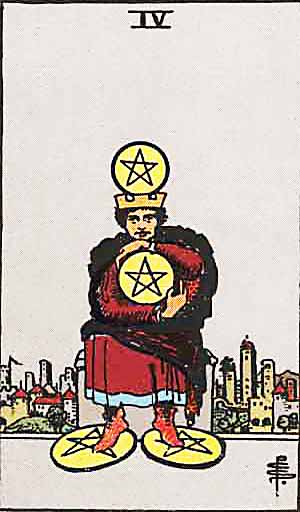 Four of Pentacles, Reversed |
|
It Leads to This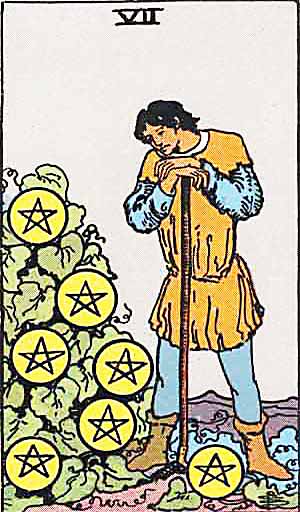 Seven of Pentacles, Reversed |
It Deals with This
XV – The Devil
The Devil represents temptation, addiction, materialism, and the shadow self. It embodies the forces that bind us to unhealthy patterns, illusions, and attachments. A powerful, frightening figure symbolises the internal and external forces that trap us in cycles of desire, fear, and self-doubt. This card is about the darker side of human nature—the impulses, obsessions, and habits that may seem alluring at the moment but ultimately prevent growth and freedom. The chains are loosely fitted on the figures, suggesting that the freedom to break free from these constraints is possible, but only when you recognise your own power and the nature of your attachments.
The Devil encourages you to examine where you may be giving away your personal power, whether through unhealthy relationships, addiction, material desires, or limiting beliefs. It calls attention to areas where you may feel stuck or trapped by your own choices, urging you to face these shadow aspects head-on to free yourself from the influence of fear and negative patterns.
In Relationships: The Devil suggests you may be entangled in a toxic or unhealthy relationship dynamic. This could include co-dependency, manipulation, or addiction to the relationship itself. The card warns against staying in situations where attachment or control are the primary forces at play. It may also point to unhealthy patterns in your behaviour, such as fear of intimacy or a reliance on superficial desires rather than deeper emotional connection. The Devil invites you to take a step back and examine your motivations in relationships, encouraging you to break free from unhealthy attachments and embrace healthier, more empowering connections.
In Work: The Devil may indicate that you are trapped in a cycle of materialism, greed, or unhealthy work habits. It could suggest an over-reliance on success or external validation, or feeling bound to a job, career, or ambition that no longer serves your highest good. This card can also point to unhealthy competition, control issues, or toxic environments in the workplace. The Devil encourages you to assess where you are compromising yourself in pursuit of career success or material gain. It suggests that fulfilment comes from aligning with your authentic purpose and breaking free from self-imposed limitations.
Spiritually: The Devil speaks to the shadows within the self—the unresolved fears, ego attachments, and limiting beliefs that keep you from experiencing freedom and enlightenment. This card invites you to confront your inner darkness and the forces that bind you to the lower aspects of your nature. The Devil challenges you to examine your relationship with fear and temptation and recognise how these forces may be blocking your spiritual growth. This card calls for liberation, urging you to break free from whatever is holding you back from experiencing spiritual truth.
Do NOT Do This
Four of Pentacles, Reversed
The Four of Pentacles represents security, stability, and the need to protect one's material resources. This card embodies the energy of holding on to what has been gained, whether it's financial wealth, possessions, or personal achievements. The figure on the card clutches their pentacles, symbolising the desire to secure material wealth and accomplishments. While this can signify a solid foundation and a sense of security, it can also indicate a fear of loss, possessiveness, or a reluctance to release control.
Reversed, the Four of Pentacles suggests excessive possessiveness, insecurity, or an unhealthy attachment to material wealth. You may be hoarding resources out of fear or may be struggling with financial instability or lack. This reversal may indicate that your focus on security creates rigidity, preventing you from adapting to new opportunities or embracing necessary changes. It may also suggest a fear of loss, an unwillingness to take risks, or an overemphasis on material concerns to the detriment of personal growth or relationships. The Four of Pentacles reversed urges you to let go of control, be open to change, and find a balance in how you approach the material world.
In Relationships: The Four of Pentacles may indicate a tendency to be overly protective, possessive, or guarded. You may be holding onto old wounds or fears of abandonment, preventing you from opening up to a partner. Alternatively, the card may suggest a relationship built on security and stability, but lacking emotional depth or growth. You may need to examine whether you are holding onto a relationship out of fear of change or loss, rather than mutual love and growth. The Four of Pentacles encourages you to find a balance between maintaining security and allowing for vulnerability, trust, and emotional intimacy within the relationship.
In Work: The Four of Pentacles suggests you may be focused on maintaining financial stability or securing your position. This card indicates you are likely working hard to protect your material resources or professional achievements, and may be focused on building a solid foundation for the future. While the card encourages you to safeguard your progress, it warns against becoming too rigid, controlling, or attached to the status quo. The Four of Pentacles could indicate a fear of taking risks or embracing change, which could limit your growth and opportunities for advancement. The card invites you to evaluate whether your desire for security prevents you from pursuing new opportunities or adapting to changes in your career.
Spiritually: The Four of Pentacles can represent a need to examine one's attachment to material concerns or the fear of losing control. You may be clinging too tightly to your worldly possessions or financial security, which could hinder your growth. This card suggests that abundance comes not from holding on to material things, but from embracing a mindset of openness, generosity, and trust: a growth mindset. The Four of Pentacles invites you to consider whether you allow your fears or attachment to material wealth to block your spiritual path. It encourages you to release any fear-based attachments and trust in the flow of abundance that can come from letting go.
DO This
King of Swords
The King of Swords represents authority and intellectual power. This card embodies a figure who is not just intelligent but also disciplined and fair. As the master of his intellect, the King of Swords is a strategist, someone able to think critically, make logical decisions, and lead with wisdom and integrity. His sword symbolises truth, communication, and rational thought, and he uses these qualities to rule with honesty and justice. This king is known for his ability to detach from emotions and approach situations objectively, making him an effective problem-solver, leader, and advisor.
The King of Swords encourages you to embrace your mental power and use your intellect to navigate difficult situations. This card suggests you may be in a position where clear, strategic thinking and sound decision-making are required. The King of Swords asks you to communicate your ideas with authority and take a leadership role when necessary, grounding your actions in truth and fairness. This card also signifies mastery of your thoughts, the ability to see things from a broad perspective, and the capacity to remain composed in challenging circumstances.
In Relationships: The King of Swords represents clear communication, fairness, and rational decision-making. This card suggests you may need to approach your romantic life maturely, detaching from emotional impulses and focusing on open communication. The King of Swords values honesty and will not tolerate deceit or manipulation. He seeks a partner who can engage in intellectual conversation and mutual respect. While this card may point to a relationship built on solid communication and intellectual connection, it can also indicate a need to avoid being detached or unemotional in love. The King of Swords reminds you to strike a balance between reason and emotional depth in your relationships.
In Work: The King of Swords signifies a position of leadership, decision-making, or authority. You may be in a role where you must lead with intellect, communicate clearly, and make complex decisions. This card suggests your success is tied to your ability to think critically, maintain fairness, and remain objective. The King of Swords also encourages you to embrace your intellectual strengths, whether in a position of power or a field requiring analysis and strategy. It may also indicate the presence of a mentor or advisor who embodies these qualities. The King of Swords could indicate a legal, academic, or advisory role where logic and communication are paramount.
Spiritually: The King of Swords represents wisdom, higher knowledge, and authority. You may be seeking greater understanding or guidance, and this card encourages using your intellect and discernment to find the answers you seek. The King of Swords urges you to be truthful with yourself and seek spiritual growth through disciplined study, meditation, or inner reflection. This card can indicate the need for spiritual leadership, either as you take on a guiding role for others or seek a mentor who can help you navigate your spiritual path. The King of Swords reminds you that spiritual insight comes not just from emotion but from the disciplined and thoughtful exploration of truth.
It Leads to This
Seven of Pentacles, Reversed
The Seven of Pentacles represents patience, assessment, and the long-term view. This card embodies the energy of re-evaluating progress and taking a moment to reflect on the work and effort invested so far. It depicts a figure looking at a garden or crop they've cultivated, considering the growth that has occurred and pondering whether the investment of time and resources has been worth it. The Seven of Pentacles asks you to pause and assess your progress, take stock of what you have achieved, and determine whether your efforts are leading you towards the desired outcome. It is a card of reflection, patience, and understanding that rewards take time to manifest.
Reversed, the Seven of Pentacles suggests impatience, frustration, or dissatisfaction with progress. You may feel that your efforts are not paying off or question whether your hard work is leading to the desired results. The reversal can also indicate a tendency to give up too soon, to neglect reflection, or to avoid assessing your situation altogether. The Seven of Pentacles reversed urges you to take a step back, reassess your approach, and understand that success takes time and requires continuous effort. It may also indicate that you are rushing through the process or losing sight of the long-term goals in favour of short-term gratification.
In Relationships: The Seven of Pentacles suggests you may be reflecting on the progress of your relationship. This card can indicate a need to reassess where the relationship is heading and whether it is yielding the desired results. You may question whether you have invested enough effort, or if more work is needed to nurture the relationship. It may suggest that the relationship has reached a plateau or both partners are pausing to consider their future together. The Seven of Pentacles encourages patience and contemplation, reminding you that love, like any long-term endeavour, requires ongoing effort and time to flourish. It invites you to reflect on whether the relationship is fulfilling and worth continuing to invest in.
In Work: The Seven of Pentacles signifies a time of assessment, where you take stock of the work you've put into your professional endeavours. It can indicate that you have been putting in significant effort over time and are now reflecting on the progress you've made. The card encourages you to consider whether the work you are doing is leading you towards the outcomes you desire, or if changes need to be made to align your efforts with your goals. The Seven of Pentacles suggests that success is often built through sustained effort, and sometimes it is necessary to take a step back, re-evaluate, and make adjustments before continuing forward. It encourages patience and persistence, reminding you that rewards may take time to materialise.
Spiritually: The Seven of Pentacles represents a time of reflection and evaluation on the spiritual path. You may question your progress in your spiritual practice or life journey. This card invites you to pause and evaluate whether you are moving in the direction you want to go or need to adjust your approach. The Seven of Pentacles suggests spiritual growth is a gradual process that requires patience and consistent effort. It encourages you to trust that your efforts lead towards a deeper understanding, even if the results are not apparent. The card asks you to consider whether you are invested in your spiritual journey and whether you are allowing enough time and space for growth and transformation.