
Comic Strip Spread
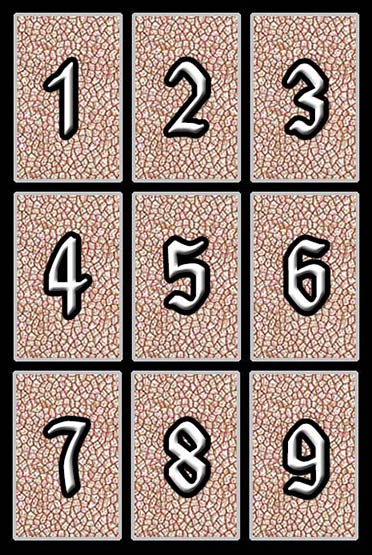
Difficulty: Easy
Note: This spread works best with decks like the Diary of a Broken Soul or Surrealist Tarot because they display scenes rather than pips and do not use reversals.
The Comic Strip Spread is a simple nine-card chronological spread that looks like a page of a comic book. This method should be used to get a glimpse of the future as it would pan out naturally. It may be insightful to use this spread in coordination with biorhythms. The spread is easy to read as a storyboard, just like a comic strip.
The main subject is apparent in the first card, while the story plays out through the following tarot cards.
It is important to pay particular attention to the cards and the relationships with their neighbours. Notice which directions the cards are facing, and how they interact.
Your Comic Strip Reading
Seven of Swords, Reversed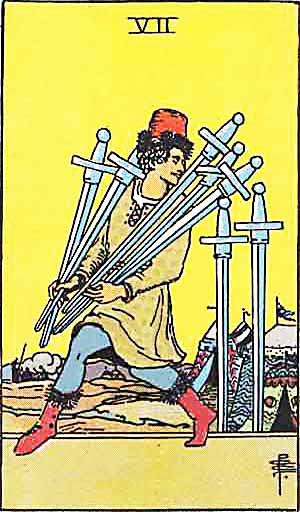 |
Seven of Pentacles, Reversed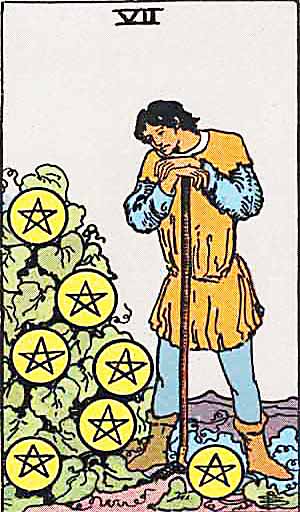 |
Six of Swords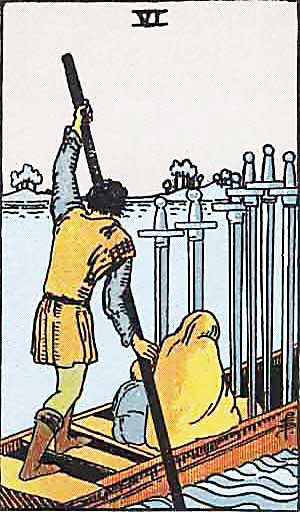 |
Ace of Cups, Reversed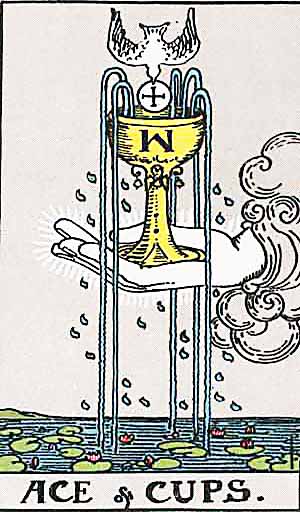 |
Eight of Wands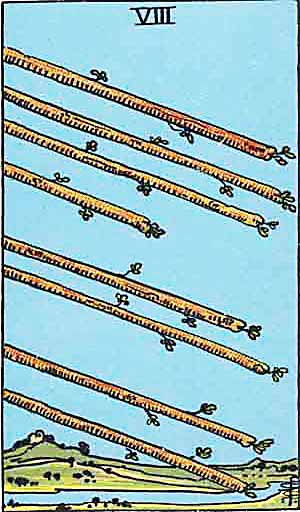 |
Eight of Swords, Reversed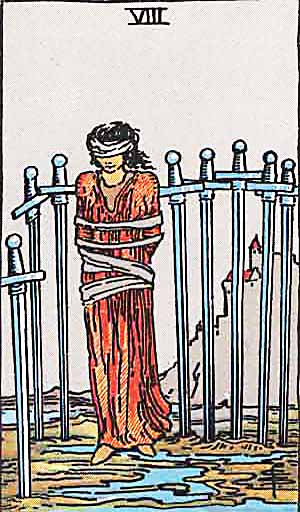 |
King of Wands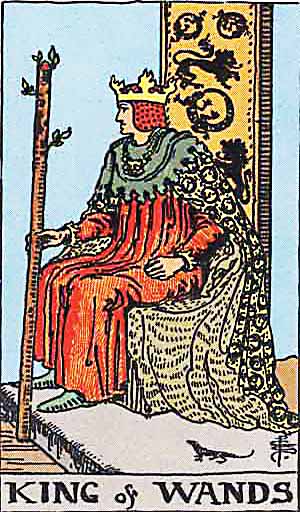 |
Eight of Pentacles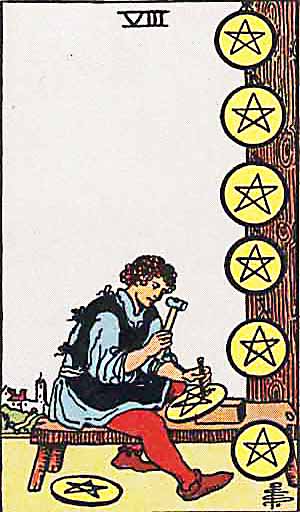 |
Two of Swords, Reversed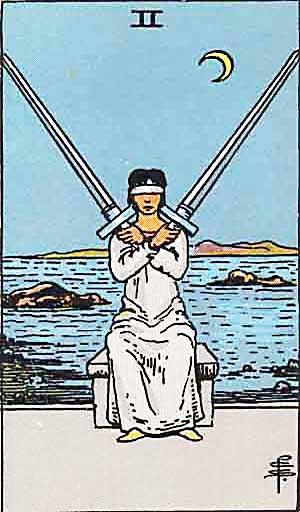 |
Card 1: Seven of Swords, Reversed
The Seven of Swords represents secrecy, deception, and strategic thinking. This card suggests you may be dealing with a situation where there is dishonesty, hidden motives, or someone trying to outsmart others. It indicates a need for caution and careful consideration, as things may not be as they appear on the surface. The image shows a figure sneaking away with swords, symbolising the act of taking what isn't freely given or trying to avoid detection. This card invites you to examine situations in which deception, avoidance, or evasion may be at play, whether from you or others.
Reversed, the Seven of Swords can indicate that deception or dishonesty is being uncovered, and the truth is coming to light. The reversal suggests you may realise you can no longer avoid the truth or continue in a situation built on lies or manipulation. It may also signify a time when you are caught in your own web of deceit or feel the consequences of your actions. The reversed Seven of Swords encourages you to take responsibility for dishonest behaviour and make amends where necessary. It may also indicate that you are now ready to approach situations with honesty, integrity, and openness, leaving behind the need for secrecy or avoidance.
In Relationships: The Seven of Swords suggests there may be secrets, dishonesty, or hidden agendas. This could be a situation where one partner is deceptive, hiding important information, or avoiding confrontation. Alternatively, it may point to hiding your feelings or avoiding an honest discussion about the relationship. The Seven of Swords calls for you to pay attention to what may not be said or seen, encouraging you to approach the relationship with awareness and discernment. If there is deceit, the card urges you to confront the truth and seek open communication. On the other hand, it may also suggest the need to be more transparent in your actions or to carefully consider the consequences of keeping things hidden.
In Work: The Seven of Swords can indicate dishonesty, theft, or unethical behaviour in the workplace. It may suggest that someone is trying to take credit for someone else's work, using manipulative tactics, or engaging in underhanded behaviour to achieve their goals. This card advises you to be cautious and observant of your professional dealings, as deceit or betrayal may be occurring. Alternatively, the Seven of Swords may suggest you adopt a more strategic, clever approach to achieve success, relying on your ability to navigate tricky situations with discretion and tact. The card encourages you to consider the ethical implications of your actions and avoid shortcuts that could lead to negative consequences.
Spiritually: The Seven of Swords suggests a need for greater honesty with oneself, as well as the potential for self-deception or avoidance of spiritual truths. This card invites you to examine areas of your life where you may be hiding from deeper issues or avoiding the truth. It may also indicate that you are relying on cleverness or avoidance rather than confronting your spiritual challenges directly. The Seven of Swords encourages you to reflect on whether you are being truthful in your spiritual practice and seek clarity in areas of your life that may be clouded by dishonesty or denial. It is a reminder that spiritual growth comes from facing the truth.
Card 2: Seven of Pentacles, Reversed
The Seven of Pentacles represents patience, assessment, and the long-term view. This card embodies the energy of re-evaluating progress and taking a moment to reflect on the work and effort invested so far. It depicts a figure looking at a garden or crop they've cultivated, considering the growth that has occurred and pondering whether the investment of time and resources has been worth it. The Seven of Pentacles asks you to pause and assess your progress, take stock of what you have achieved, and determine whether your efforts are leading you towards the desired outcome. It is a card of reflection, patience, and understanding that rewards take time to manifest.
Reversed, the Seven of Pentacles suggests impatience, frustration, or dissatisfaction with progress. You may feel that your efforts are not paying off or question whether your hard work is leading to the desired results. The reversal can also indicate a tendency to give up too soon, to neglect reflection, or to avoid assessing your situation altogether. The Seven of Pentacles reversed urges you to take a step back, reassess your approach, and understand that success takes time and requires continuous effort. It may also indicate that you are rushing through the process or losing sight of the long-term goals in favour of short-term gratification.
In Relationships: The Seven of Pentacles suggests you may be reflecting on the progress of your relationship. This card can indicate a need to reassess where the relationship is heading and whether it is yielding the desired results. You may question whether you have invested enough effort, or if more work is needed to nurture the relationship. It may suggest that the relationship has reached a plateau or both partners are pausing to consider their future together. The Seven of Pentacles encourages patience and contemplation, reminding you that love, like any long-term endeavour, requires ongoing effort and time to flourish. It invites you to reflect on whether the relationship is fulfilling and worth continuing to invest in.
In Work: The Seven of Pentacles signifies a time of assessment, where you take stock of the work you've put into your professional endeavours. It can indicate that you have been putting in significant effort over time and are now reflecting on the progress you've made. The card encourages you to consider whether the work you are doing is leading you towards the outcomes you desire, or if changes need to be made to align your efforts with your goals. The Seven of Pentacles suggests that success is often built through sustained effort, and sometimes it is necessary to take a step back, re-evaluate, and make adjustments before continuing forward. It encourages patience and persistence, reminding you that rewards may take time to materialise.
Spiritually: The Seven of Pentacles represents a time of reflection and evaluation on the spiritual path. You may question your progress in your spiritual practice or life journey. This card invites you to pause and evaluate whether you are moving in the direction you want to go or need to adjust your approach. The Seven of Pentacles suggests spiritual growth is a gradual process that requires patience and consistent effort. It encourages you to trust that your efforts lead towards a deeper understanding, even if the results are not apparent. The card asks you to consider whether you are invested in your spiritual journey and whether you are allowing enough time and space for growth and transformation.
Card 3: Six of Swords
The Six of Swords represents moving forward from a difficult situation. This card signals leaving behind a time of hardship or emotional turbulence and heading towards calmer, more peaceful waters. It suggests you are healing or recovering from a challenging experience, and while the road ahead may still require effort, there is relief and optimism as you start moving forward. The image depicts a figure traveling across a body of water in a boat, with swords representing the mental challenges or emotional baggage left behind.
The Six of Swords is a card of progress and recovery, encouraging you to leave behind what no longer serves you and focus on the promise of a new beginning. It reminds you that while the past may have been difficult, the future holds the potential for growth and peace. This card encourages you to embrace change, even if it is uncomfortable, knowing that moving forward will bring you closer to resolution and emotional balance. It is a reminder that the healing journey may not be quick or easy, but every step towards the future brings you closer to the calm you seek.
In Relationships: The Six of Swords suggests moving on from emotional pain or difficulties. This card indicates that you are healing, leaving behind old hurts or a toxic relationship to find peace. The Six of Swords may signal the end of a difficult period in love, a time you are finally ready to move on and open yourself up to new possibilities. It encourages you to let go of the past, release emotional baggage, and trust that the journey towards healing will lead to healthier and more fulfilling relationships. This card is a reminder that sometimes the best way forward in love is to move away from situations that no longer align with your well-being.
In Work: The Six of Swords indicates a period of transition when you are moving from a challenging work situation or difficult project towards a more favourable environment. This could involve leaving a job, moving to a new position, or changing career paths for greater satisfaction or stability. The Six of Swords signifies a shift, where you distance yourself from old problems and focus on your growth and success. It is a reminder that while change may be intimidating, it often leads to progress and opportunity. The card encourages you to move forward confidently, knowing the journey will bring you closer to your goals.
Spiritually: The Six of Swords represents a journey of recovery and growth. This card suggests you are leaving behind limiting beliefs, old wounds, or difficult spiritual experiences to find peace, balance, and clarity. It may indicate a period of spiritual renewal when you distance yourself from past traumas or negative influences and focus on your path of personal development. The Six of Swords encourages you to trust your spiritual journey, knowing that each step forward brings you closer to a higher understanding or inner peace. It is a reminder that healing takes time, but the journey towards enlightenment is worth the effort.
Card 4: Ace of Cups, Reversed
The Ace of Cups signifies emotional fulfilment, new beginnings in love, and the potential for meaningful connections. It represents the flow of pure, unfiltered emotion and the start of a fresh emotional chapter. This card is a symbol of a new opportunity for love, self-love, compassion, and emotional growth. The depiction shows a chalice overflowing with water, representing the abundance of emotional energy, creativity, and spiritual connection available to you. The Ace of Cups suggests you are entering a period where you can experience emotional renewal.
Reversed, the Ace of Cups can indicate emotional blockages, repressed feelings, or missed opportunities for emotional fulfilment. You may be having difficulty expressing or receiving love, or there may be an emotional disconnect in relationships. This card reversed suggests you may be holding onto emotional pain, preventing you from opening up to new emotional experiences. It can also point to a neglect of your needs. The reversed Ace of Cups asks you to address emotional wounds, release past hurts, and open your heart to the possibility of emotional renewal and growth. It may also indicate a need to reconnect with your intuition or creative self-expression.
In Relationships: The Ace of Cups signifies new beginnings, emotional breakthroughs, or the renewal of love. This card indicates a time of emotional connection and intimacy, where the relationship may take on a new level of understanding and affection. The Ace of Cups may point to the blossoming of love, compassion, or a deeper bond between partners. For singles, this card signals the potential for a new, fulfilling romantic relationship. The Ace of Cups also invites you to think about your own emotional well-being, suggesting that love begins with a connection to oneself.
In Work: The Ace of Cups suggests a fresh start, a new opportunity that brings emotional fulfilment and satisfaction. It may indicate a job or project that aligns with your passions and brings joy, creative inspiration, or a sense of purpose. This card invites you to pursue work that resonates with your emotional needs and allows for personal expression. The Ace of Cups also represents creativity and the ability to bring heart-centred intentions into your work. You are encouraged to listen to your intuition and follow the opportunities that nourish your emotional well-being, leading to a more fulfilling professional life.
Spiritually: The Ace of Cups represents the potential for spiritual awakening, intuition, and connection to the divine. It indicates a time of heightened awareness, where you may feel more attuned to your inner voice or the flow of universal energy. This card suggests you are open to receiving guidance and experiencing deeper fulfilment. The Ace of Cups is a reminder to trust in the flow of life, be open to new insights, and nurture a connection with the higher self. It also encourages you to engage in practices that nourish the soul and foster emotional healing.
Card 5: Eight of Wands
The Eight of Wands represents swift action, progress, and movement. The eighth card in the Suit of Wands indicates a period of rapid development, where things are moving quickly, and you may experience urgency or excitement. Depicted as eight wands flying, the Eight of Wands suggests momentum is building and your goals or desires are quickly taking shape. It signifies a time when things are moving fast, and the energy around you is dynamic and focused. The Eight of Wands encourages you to act decisively, as delays or hesitation may cause you to miss out on opportunities.
This card reflects a time when everything falls into place, and external circumstances align in your favour. The Eight of Wands suggests a period of stagnation or slow progress is ending, and you are entering a phase where things will accelerate. It can represent swift communication, travel, or a sudden change of direction that brings clarity and new possibilities. This card encourages you to embrace this surge of energy, acting swiftly and confidently as you move towards your goals.
In Relationships: The Eight of Wands indicates rapid movement or a sudden shift. This could mean an unexpected romantic gesture, a fast-moving event such as a new relationship, or a significant breakthrough in an existing one. The card suggests things will progress quickly, and you may feel that things are moving at a pace you didn't expect. The Eight of Wands can signify a period of growth and transformation, where things are picking up speed, possibly leading to greater intimacy or commitment. For those who are single, this card points to the possibility of a whirlwind romance or fast developments in a potential partnership. It encourages you to embrace the excitement of love and stay open to where it may lead.
In Work: The Eight of Wands represents fast-moving opportunities, progress, and success that comes swiftly after a period of planning or hard work. This card can indicate an upcoming breakthrough, such as a new job offer, a promotion, or a significant career advancement. The Eight of Wands signals that things are moving quickly, and you must be prepared to act fast to seize opportunities. It may also suggest that projects or initiatives are speeding up, requiring you to stay focused and efficient. The card encourages decisiveness and adaptability, as the pace of success may demand quick thinking and prompt action. It is a reminder that now is the time to capitalise on the momentum and take advantage of opportunities.
Spiritually: The Eight of Wands signifies rapid progress and a time of spiritual acceleration. You may experience breakthroughs, moments of clarity, or heightened awareness. This card represents a time when understanding is advancing at a fast pace, and you may feel as if you are receiving a surge of inspiration or guidance. It suggests you are in a period of heightened energy, when spiritual growth is happening quickly. The Eight of Wands encourages you to stay receptive to spiritual messages and guidance, acting swiftly on intuitive nudges or insights. It signifies that you are on the right path and should trust the flow of progress.
Card 6: Eight of Swords, Reversed
The Eight of Swords represents restriction, entrapment, and mental imprisonment. This card suggests you feel trapped or bound by a situation, often because of limiting beliefs, fears, or self-doubt. The image of a blindfolded figure bound and surrounded by swords indicates a state of confusion, where you can't see a way out of your problems or challenges. The Eight of Swords highlights how the mind can create a sense of imprisonment, making obstacles seem insurmountable, even when they may not be. It's a card that invites you to examine the mental barriers you've placed on yourself and realise that you may have more freedom than you perceive.
Reversed, the Eight of Swords suggests you are beginning to free yourself from a state of mental imprisonment or restriction. The reversal indicates that you are gaining clarity, breaking free from limiting beliefs, or finding ways to overcome fears and doubts that have held you back. The reversed Eight of Swords encourages you to continue challenging your mental barriers and take active steps towards liberation. It may also indicate a realisation that the obstacles you perceived were not as insurmountable as you thought and that there is a way forward if you change your perspective.
In Relationships: The Eight of Swords suggests a situation where you feel trapped, restricted, or emotionally bound. This could indicate feelings of helplessness or fear that prevent you from moving forward. The Eight of Swords may also represent a situation where you feel stuck due to insecurities or fears about opening up or making changes in the relationship. The card encourages you to examine your mental and emotional limitations and recognise that these barriers are not insurmountable. It may also suggest that you need to free yourself from old wounds, negative beliefs about love, or toxic patterns to move forward in a healthier and more fulfilling way.
In Work: The Eight of Swords indicates you may feel trapped in your current job, position, or professional situation. You may feel like you have no options or are constrained by circumstances beyond your control. The Eight of Swords suggests you are experiencing a mental block, feeling stuck, or doubting your abilities to break free from your current work situation. This card encourages you to challenge your own thinking and recognise that the restrictions you feel are often mental rather than physical. The Eight of Swords advises you to seek new perspectives, find creative solutions, and have the confidence to move past your self-imposed limitations to achieve career growth and fulfilment.
Spiritually: The Eight of Swords represents a state of spiritual confusion or entrapment. You may struggle with limiting beliefs, fear, or doubt preventing you from embracing your spiritual path. This card suggests you may feel disconnected from your spiritual practice or trapped in a cycle of negative thought patterns. The Eight of Swords invites you to examine your mental state and recognise that your limitations may be self-created. It encourages you to release these fears, allowing yourself to move along your spiritual path with greater freedom and openness.
Card 7: King of Wands
The King of Wands represents mastery and the ability to inspire and lead with vision and confidence. It embodies the ultimate expression of passion, creativity, and personal power. The King of Wands is a dynamic and charismatic figure driven by ambition and deeply attuned to his intuition and inner strength. He stands as a leader who takes charge of situations, inspires others to follow his example, and is always moving forward. With his holistic understanding of the fire element, the King of Wands knows how to transform ideas into reality and lead others towards achieving their collective goals.
The King of Wands signifies a time of confidence, bold action, and the ability to step into leadership roles. This card represents a person who has mastered the art of taking risks, facing challenges, and turning visions into achievements. The King of Wands encourages you to take charge of your ambitions, trust your inner wisdom, and pursue your goals with unwavering commitment. He exudes warmth and enthusiasm, and through his example, he motivates others to embrace their creative potential and step into leadership roles.
In Relationships: The King of Wands represents a passionate, confident partner committed to the relationship who values independence and growth. For those in committed relationships, this card suggests you or your partner may take on a leadership role, guiding the relationship with vision and energy. The King of Wands brings purpose and excitement, encouraging both partners to work together towards mutual goals. For singles, the King of Wands can indicate the appearance of a potential partner who embodies confidence, leadership, and a zest for life. This card advises you to embrace your confidence and assertiveness in love, knowing you deserve a fulfilling and exciting relationship.
In Work: The King of Wands signifies success, leadership, and the ability to take bold actions to achieve professional goals. This card suggests you may be in or about to enter a position of leadership, where you can inspire and guide others with your vision, enthusiasm, and strategic thinking. The King of Wands is a powerful figure who uses creativity, passion, and determination to create success. This card encourages you to embrace your leadership potential and take action towards your career aspirations. The King of Wands is also a reminder that leadership is not just about power, but about using your influence to empower others and lead by example.
Spiritually: The King of Wands represents a time of spiritual mastery, inner leadership, and the integration of creative energy into one's spiritual path. This card suggests you are in a position to guide others in spiritual matters, whether through teaching, sharing wisdom, or leading by example. The King of Wands encourages you to take charge of your spiritual journey, using your intuition and inner strength to overcome obstacles and pursue spiritual growth. This card may also suggest taking bold steps in your spiritual practices. The King of Wands reminds you that you can turn your visions into reality through concerted effort, confidence, and action.
Card 8: Eight of Pentacles
The Eight of Pentacles represents diligence, mastery, and concerted effort. This card embodies the energy of hard work, skill-building, and dedication to one's craft. It depicts a figure working hard at their craft, chiselling away at a piece of wood or metal, focusing intently on their task. The Eight of Pentacles suggests you are putting in the work and effort to improve your skills, whether in your career, creative endeavours, or personal development. It speaks to the importance of perseverance and the value of continuous learning and improvement.
This card indicates that you are engaged in mastering your craft or completing a task, with attention to detail and a commitment to quality. The Eight of Pentacles encourages you to stay focused, as success is often the result of consistent, disciplined effort over time. It may also suggest that you are in a phase of apprenticeship, honing your skills and building a foundation for future success. The Eight of Pentacles reminds you that mastery is achieved through continuous effort, patience, and the willingness to learn from each experience.
In Relationships: The Eight of Pentacles suggests you may be putting in significant effort to nurture and grow your relationship. This card indicates you are dedicated to making the relationship work, focusing on improving communication, understanding, or other important aspects. It may also suggest that you are working through challenges or learning more about your partner, to build a deeper and more lasting connection. The Eight of Pentacles encourages you to work to cultivate love, whether by making small efforts to show affection, communicating openly, or working together to resolve conflicts. Success in love, like any other endeavour, requires attention, care, and a commitment to growth.
In Work: The Eight of Pentacles signifies concerted effort, where you are dedicating yourself to improving your skills or advancing in your profession. This card suggests you are in a phase of apprenticeship or learning, perhaps acquiring new knowledge or expertise to further your career. It may indicate that you are refining your craft, mastering a particular aspect of your job, or working diligently to complete a project with a high level of quality. The Eight of Pentacles encourages you to continue to dedicate yourself to your work, as success in this area will come from consistent effort, attention to detail, and a commitment to personal growth. The card may also suggest you are on the path to becoming an expert in your field, with the potential for recognition or achievement.
Spiritually: The Eight of Pentacles represents a time of disciplined effort and growth in one's spiritual practice. It is a time when you dedicate yourself to improving your understanding or honing your spiritual practices. This card suggests you are engaged in learning, whether studying sacred texts, meditating regularly, or engaging in rituals or practices that deepen your connection to the divine. The Eight of Pentacles encourages you to remain dedicated and patient, as spiritual growth requires ongoing effort and the willingness to refine your approach. The card reminds you that spiritual mastery is a continuous journey and each small step contributes to greater understanding.
Card 9: Two of Swords, Reversed
The Two of Swords represents indecision, stalemate, and the need for balanced judgement. This card appears when you are faced with a difficult decision or unable to see the truth of a situation. The swords in this card often depict a figure blindfolded, symbolising the inability to see the full picture or to make a clear choice. The Two of Swords asks you to balance intellect and emotions, carefully weigh the options, and trust in your ability to make the right decision when the time is right. It signifies a period of inner conflict, where the mind is divided, and external circumstances may not provide clear answers.
Reversed, the Two of Swords can indicate confusion, avoidance, or a refusal to make a decision. The reversal suggests you may be stuck in a state of denial, unwilling to confront the reality of a situation or to take the steps to resolve an issue. The Two of Swords reversed urges you to acknowledge your feelings and confront the choices you have been avoiding. It may also suggest that you are letting fear or indecision paralyse you, preventing you from moving forward. The reversed card encourages you to break free from this mental stalemate and make a decision, knowing that action is often the key to clarity.
In Relationships: The Two of Swords indicates a relationship stalemate or a decision that needs to be made. This card suggests there may be a situation where you are avoiding confronting difficult truths or making a choice in your romantic life. It could indicate a relationship where communication has stalled or there is a lack of clarity regarding the next steps. The Two of Swords encourages you to be honest with yourself and your partner, addressing the emotional blockages or uncertainties that may exist. It is a reminder that avoiding a decision or shutting out emotions will not resolve the situation.
In Work: The Two of Swords signals indecision or mental conflict regarding a job, project, or career path. This card suggests you may be at a crossroads in your professional life, unsure of which direction to take. The Two of Swords asks you to carefully evaluate the options available, ensuring you are not making decisions based on external pressure or fear. It may also indicate a time when you feel stuck or unable to make progress, either because of hesitation or external factors. The card encourages you to reflect on your goals, trusting that clarity will come with patience and introspection.
Spiritually: The Two of Swords represents inner conflict or a need to balance one's beliefs. This card suggests you may feel torn between two paths, practices, or ways of thinking. The Two of Swords encourages you to look inward, seeking clarity and guidance from your higher self. It is a reminder that spiritual growth often requires tough decisions, and the ability to balance opposing forces within the self is key to moving forward. You may need to quiet the mind, remove distractions, and connect with your intuition to find the answers you seek.