
Celtic Cross Spread
Difficulty: Average
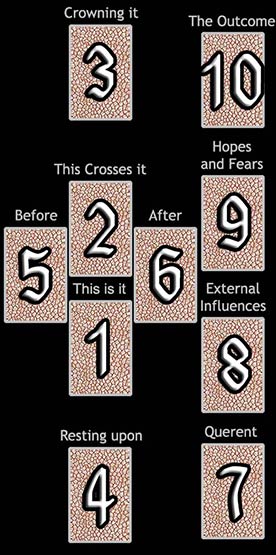
This is probably the most well-known tarot spread. A good, basic spread for beginners to practise with, the Celtic Cross is useful for questions of all types. In this spread, it can be helpful to notice the relationships between the pairings of cards #5 & #9, #1 & #2, #3 & #4, and #6 & #10.
- The significator epitomizes what the reading deals with, the initial situation.
- An added impulse that compounds the significator, which may be either complimentary or contradictory.
- This is what is consciously known (thoughts).
- Unconscious driving forces that may not be known fully (emotions).
- The immediate past regarding the current situation.
- The first future card indicates the immediate future.
- This card represents the reader and their attitude towards cards #1 and #2.
- The external influences, the places and people which influence the topic.
- This tarot card suggests expectations; what is secretly hoped for or feared.
- The second future card reveals the long-term outcome.
Your Celtic Cross Reading
The Crown |
The Outcome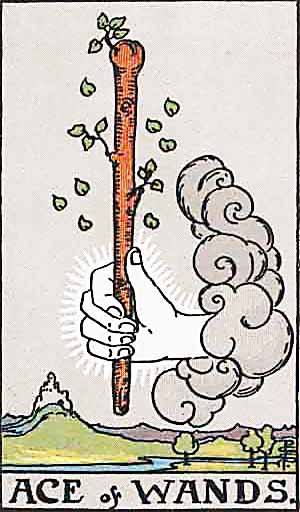 Ace of Wands, Reversed
External Forces 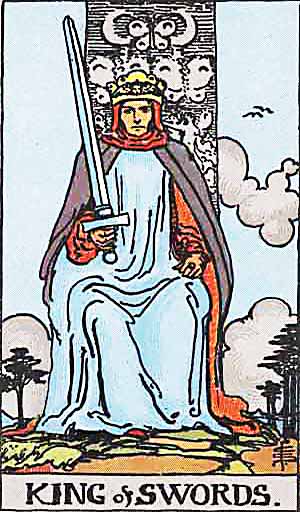 King of Swords, Reversed
|
||
The Recent Past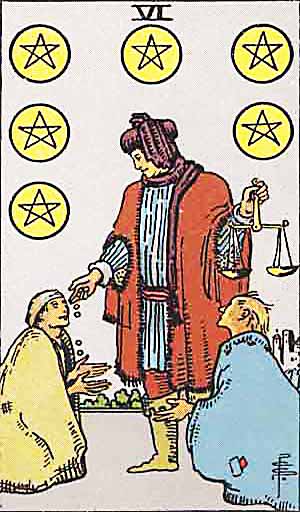 Six of Pentacles |
The Crossing Card
|
The Future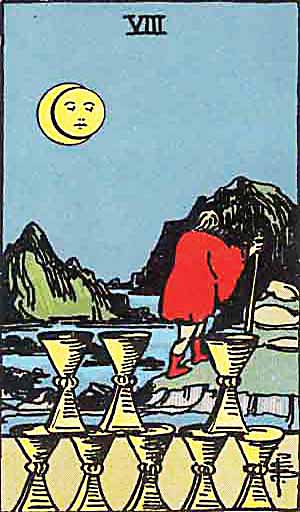 Eight of Cups, Reversed |
|
|
|||
The Significator represents what the main theme of the reading deals with, the initial situation.
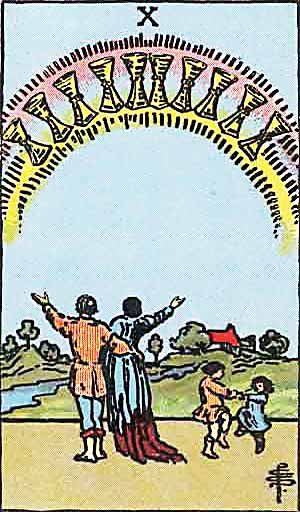
Ten of Cups
The Ten of Cups represents emotional harmony, lasting happiness, and the fulfilment of love and family. Depicted as a happy family or couple standing beneath a rainbow of ten cups, this card signifies the emotional fulfilment that comes from loving relationships, deep connections, and shared experiences. The Ten of Cups suggests you have achieved or are on the verge of experiencing a time of emotional peace when love, happiness, and emotional security flourish. It reflects unity and alignment with yourself and those closest to you.
This card embodies emotional completion, where all the pieces of the puzzle fall into place, and you feel a deep sense of gratitude and contentment. The Ten of Cups emphasises that emotional fulfilment is most meaningful when shared with loved ones, and it encourages you to cherish your relationships, creating peace and love within the family. It suggests emotional balance and joy are possible, not through external achievements alone, but through genuine connection, mutual respect, and love.
In Relationships: The Ten of Cups is one of the most positive cards, indicating emotional fulfilment, joy, and harmony. It may suggest that you are in or will soon experience a satisfying romantic relationship characterised by mutual love, support, and happiness. For those in committed partnerships, the Ten of Cups represents a time of growth and emotional connection when both partners are aligned and working together towards common goals. It may also suggest the possibility of starting a family. For singles, the Ten of Cups indicates that love and emotional fulfilment are within reach, suggesting that you may soon meet someone who brings you joy and companionship.
In Work: The Ten of Cups represents fulfilment through work that brings emotional satisfaction and harmony. It suggests you are in a position where you feel emotional contentment in your professional life, perhaps through collaboration, teamwork, or working for a cause you believe in. The Ten of Cups indicates that genuine success is not just about external accomplishments, but also about feeling valued, appreciated, and engaged with your work. This card may also reflect a work environment that feels like a family, where there is support, trust, and belonging. The Ten of Cups encourages you to find work that aligns with your emotional well-being, where you can experience fulfilment and joy in what you do.
Spiritually: The Ten of Cups represents alignment with one's higher self and a sense of peace and fulfilment in the spiritual realm. It suggests you have reached a state of spiritual harmony and connection, where you feel emotionally balanced, at peace, and in tune with the divine. This card encourages you to nurture your connections, whether through family, community, or personal practice, as it brings you a sense of fulfilment. It may also indicate a time when you feel emotionally supported and connected to the universe.
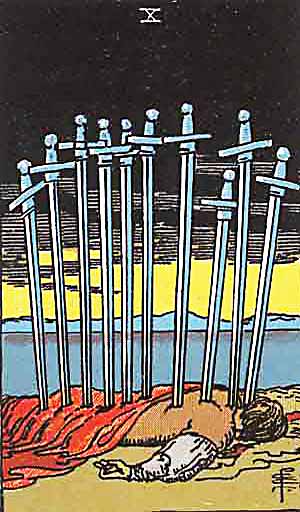
The Crossing Card denotes an added impulse that compounds the initial card, whether complimentary or contradictory.
Ten of Swords
The Ten of Swords represents painful endings, betrayal, and hitting rock bottom. This card signals a time of tremendous distress, often indicating that a situation has reached its peak of destruction, and the only way out is through the aftermath. The image depicts a figure lying face down with ten swords piercing their back, symbolising the ultimate betrayal or defeat. The Ten of Swords signifies a crisis or a moment where you feel like everything falls apart, and you are at the lowest point possible. However, it is important to note that the Ten of Swords also marks the completion of a cycle, meaning that while the end is painful, it is also the beginning of a new chapter.
Despite its bleak appearance, the Ten of Swords carries the potential for rebirth. The card encourages you to acknowledge the pain and suffering you have experienced but to understand that the worst is over. While the damage has been done, this moment represents the conclusion of a painful cycle. From here, things can only get better. The Ten of Swords invites you to accept the end of a situation, release any lingering attachment to the past, and open yourself to the possibilities of the future.
In Relationships: The Ten of Swords suggests the painful end of a relationship, possibly involving betrayal, dishonesty, or emotional devastation. You may experience the finality of a breakup, a sense of loss, or the painful realisation that a relationship is no longer serving your well-being. This card indicates a time of heartache but also signals the end of a difficult emotional journey. The Ten of Swords urges you to release any attachment to the past and allow yourself the time and space to heal. While this card represents a painful ending, it also holds the promise of emotional liberation and the opportunity to rebuild your sense of self and open yourself up to future relationships.
In Work: The Ten of Swords represents a significant failure, burnout, or the collapse of a professional endeavour. You may have experienced a career setback, loss of a job, or the failure of a project. This card signals the end of a phase in your work life, often due to betrayal, poor decisions, or circumstances beyond your control. While the Ten of Swords can represent a moment of defeat, it also suggests this is the conclusion of a difficult chapter. The card encourages you to accept the end of the situation and focus on the lessons learned, knowing that from this point forward, you can move on to more fulfilling professional opportunities.
Spiritually: The Ten of Swords indicates spiritual crisis, despair, or the shattering of old beliefs. You may be going through an intense period of doubt, loss, or a profound sense of disconnection from your spiritual path. This card represents the breaking down of old structures and ways of thinking, which can feel devastating but is necessary for growth. The Ten of Swords invites you to embrace this spiritual death and let go of outdated beliefs or attachments that no longer serve you. Though painful, this is an opportunity for rebirth, allowing you to reconnect with your true self and the divine.
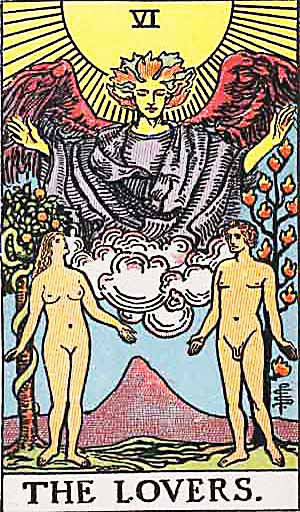
The Crown stands for what the asker is aware of consciously.
VI – The Lovers
The Lovers represents union, love, choices, and harmony. It embodies the themes of connection within oneself and with others. The Lovers card is depicted with a couple standing together with an angel overseeing them, symbolising divine blessing and the importance of alignment with higher ideals. This card reflects the powerful and transformative nature of love, not just in romantic relationships, but in many partnerships, including those that involve shared values, goals, and emotional bonds.
At its core, the Lovers is about making choices, particularly those that reflect our values and align with our true selves. It suggests you are at a crossroads where a decision needs to be made—one that has the potential to shape your life path. This card encourages you to act with integrity and authenticity, ensuring that love, compassion, and truth guide your choices. The Lovers also speaks to the connection between the heart and the mind, asking you to find harmony between your desires and reason.
In Relationships: The Lovers card speaks to the power of emotional connections and the importance of choosing love and commitment with intention. It signifies the potential for a significant and harmonious relationship, one grounded in mutual respect, attraction, and shared values. This card invites you to make decisions in love with clarity and authenticity, suggesting that love, when chosen wisely, can lead to fulfilment and growth. The Lovers can also signify a turning point in a relationship, where you must make an important choice.
In Work: The Lovers suggests the importance of aligning professional choices with personal values and passions. It may indicate a partnership or collaboration that will lead to success, or the need to make a decision that will impact your professional path. This card encourages you to consider how your work aligns with your deeper goals and choose a path that resonates with your authentic self. The Lovers also emphasises the importance of balancing work and personal life, fostering relationships that support professional success without sacrificing personal happiness.
Spiritually: The Lovers card signifies the unity of opposites, the balance of masculine and feminine energies, and the pursuit of higher harmony. It invites you to seek alignment within yourself, uniting your conscious and unconscious desires, and connect with the divine through love, compassion, and authenticity. The Lovers can also represent the spiritual journey of making choices that reflect your true calling, encouraging you to act in accordance with your higher self and divine purpose. It reminds us that spiritual growth comes from living in harmony with your values.
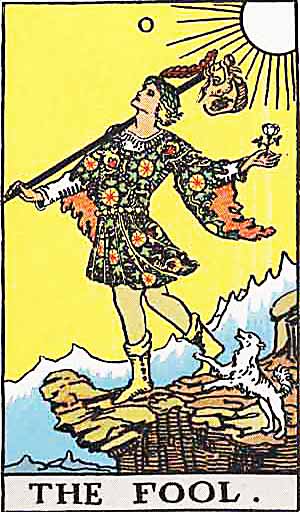
Foundation card reveals unconscious driving forces that the querent may not be aware of.
0 – The Fool
The Fool represents the beginning of an inner and outer journey, a leap of faith into the unknown where infinite possibilities lie. This card embodies potential and purity. It represents the spirit of new beginnings before experience has shaped the self. The Fool carries a light knapsack, signifying that experiences or material attachments do not burden him. His innocence and openness suggest a state of trust in the universe and a readiness to take risks, unafraid of the unknown.
The Fool stands at the edge of a precipice, symbolising the readiness to step into the unknown. This is a moment of incredible freedom, where the Fool is not concerned with failure or the consequences of his actions, for his journey itself is the goal. The dog at his feet represents loyalty and instinct, encouraging him to follow his intuition without fear. The Fool represents the beginning of all things, the spark of creation itself.
In Relationships: The Fool invites openness, spontaneity, and fresh starts. This card suggests embarking on new romantic experiences without the weight of baggage. It encourages you to approach love with an open heart, ready to explore new connections and uncharted territory. The Fool signifies trust, freedom, and the joy of new beginnings, free from inhibitions.
In Work: The Fool signals a new chapter in one's professional life. It may indicate the start of an exciting journey or project, urging you to embrace change and take a risk for growth and fulfilment. This card encourages stepping out of your comfort zone, trusting that the journey will bring valuable experiences and opportunities despite an uncertain future. The Fool advises boldness and enthusiasm in pursuing career goals, suggesting that success may come from breaking away from conventional paths.
Spiritually: The Fool represents the call to venture beyond the ego, to explore new realms of consciousness and self-awareness. This card invites you to embrace the spiritual journey with innocence and trust, letting go of preconceived notions or rigid beliefs. The Fool encourages surrender to the flow of the universe, letting go of control, and embracing the unknown with faith. It is a reminder that the spiritual path is not about certainty, but the willingness to explore and discover.
The Recent Past represents past events and concerns.
Six of Pentacles
The Six of Pentacles represents generosity, balance, and the exchange of resources. This card embodies the energy of giving and receiving, and the importance of fairness and reciprocity in material and emotional exchanges. The figure on the card holds scales, distributing coins to those in need, symbolising the act of sharing resources fairly. The Six of Pentacles signifies a period where you may be called upon to give to others, but it also suggests you could find yourself in a position to receive help, support, or resources from others.
This card asks you to consider your relationship with abundance, generosity, and fairness. It points to the value of using resources wisely and encourages you to be mindful of how you give and receive. The Six of Pentacles suggests an opportunity to create a balance in your life by being open to both offering and accepting help. It is a reminder that giving is just as important as receiving and that both actions can create harmony and flow in your life.
In Relationships: The Six of Pentacles indicates a relationship with a healthy exchange of energy between partners. This card suggests a balance between giving and receiving, where both parties contribute equally to the relationship, whether emotionally, materially, or in terms of effort. The Six of Pentacles encourages you to consider whether the relationship is balanced or if one partner gives more than the other. If there is an imbalance, this card advises you to address the issue and ensure that both individuals are contributing fairly. The card also speaks to the idea of supporting one another in times of need and being willing to offer help and care when needed.
In Work: The Six of Pentacles suggests you may experience a period of financial stability, where you can share your resources with others or receive help or recognition for your work. This card may indicate a raise, promotion, or an opportunity to assist others. It speaks to the importance of using your success to support others and create balance within the workplace. The Six of Pentacles can also suggest that you may be in a position to mentor or share your knowledge with others, promoting fairness and equal opportunity. It encourages you to remain generous and fair in professional dealings and trust that your efforts will be reciprocated in future rewards.
Spiritually: The Six of Pentacles represents the balance between giving and receiving within one's spiritual practice. You may be in a position to share your insights, wisdom, or resources with others, or you may require guidance. This card encourages you to embrace the concept of reciprocity in your spiritual journey, understanding that growth comes not just from personal practice but also from helping others and being open to receiving insights. The Six of Pentacles reminds us that spirituality is about balance—about being generous with one's knowledge and resources but being open to receiving guidance and nourishment from others or the universe. It calls for an equal exchange of energy, whether in prayer, meditation, or community.
The Future depicts that which lies ahead.
Ten of Swords
The Ten of Swords represents painful endings, betrayal, and hitting rock bottom. This card signals a time of tremendous distress, often indicating that a situation has reached its peak of destruction, and the only way out is through the aftermath. The image depicts a figure lying face down with ten swords piercing their back, symbolising the ultimate betrayal or defeat. The Ten of Swords signifies a crisis or a moment where you feel like everything falls apart, and you are at the lowest point possible. However, it is important to note that the Ten of Swords also marks the completion of a cycle, meaning that while the end is painful, it is also the beginning of a new chapter.
Despite its bleak appearance, the Ten of Swords carries the potential for rebirth. The card encourages you to acknowledge the pain and suffering you have experienced but to understand that the worst is over. While the damage has been done, this moment represents the conclusion of a painful cycle. From here, things can only get better. The Ten of Swords invites you to accept the end of a situation, release any lingering attachment to the past, and open yourself to the possibilities of the future.
In Relationships: The Ten of Swords suggests the painful end of a relationship, possibly involving betrayal, dishonesty, or emotional devastation. You may experience the finality of a breakup, a sense of loss, or the painful realisation that a relationship is no longer serving your well-being. This card indicates a time of heartache but also signals the end of a difficult emotional journey. The Ten of Swords urges you to release any attachment to the past and allow yourself the time and space to heal. While this card represents a painful ending, it also holds the promise of emotional liberation and the opportunity to rebuild your sense of self and open yourself up to future relationships.
In Work: The Ten of Swords represents a significant failure, burnout, or the collapse of a professional endeavour. You may have experienced a career setback, loss of a job, or the failure of a project. This card signals the end of a phase in your work life, often due to betrayal, poor decisions, or circumstances beyond your control. While the Ten of Swords can represent a moment of defeat, it also suggests this is the conclusion of a difficult chapter. The card encourages you to accept the end of the situation and focus on the lessons learned, knowing that from this point forward, you can move on to more fulfilling professional opportunities.
Spiritually: The Ten of Swords indicates spiritual crisis, despair, or the shattering of old beliefs. You may be going through an intense period of doubt, loss, or a profound sense of disconnection from your spiritual path. This card represents the breaking down of old structures and ways of thinking, which can feel devastating but is necessary for growth. The Ten of Swords invites you to embrace this spiritual death and let go of outdated beliefs or attachments that no longer serve you. Though painful, this is an opportunity for rebirth, allowing you to reconnect with your true self and the divine.

The Querent represents the asker and their attitude towards the subject of the reading.
Four of Cups
The Four of Cups represents contemplation, introspection, and a feeling of emotional stagnation or dissatisfaction. This card depicts a figure sitting under a tree, with three cups in front of them and a fourth cup offered by a hand coming from a cloud, which the figure seems to overlook. The Four of Cups symbolises a time when you may be disconnected, unfulfilled, or indifferent to opportunities for emotional growth. It reflects a state of emotional withdrawal or discontent, where you are focused on what is lacking rather than appreciating the blessings present.
This card encourages you to examine your emotional state and question why you may be disengaged or disillusioned. The Four of Cups is often a reminder that fulfilment and joy may come from shifting perspective, being open to new experiences, and learning to appreciate the beauty and opportunities around you. It may suggest a need to break free from emotional apathy and reconnect with your sense of wonder, gratitude, and openness.
In Relationships: The Four of Cups suggests emotional discontent, emotional withdrawal, or dissatisfaction. One partner may feel disconnected, or the relationship may experience a period of stagnation where feelings are no longer being nurtured. This card encourages you to reflect on the current state of your romantic life and consider whether you are overlooking or taking for granted the opportunities for deeper connection and growth that are present. For singles, the Four of Cups suggests you may feel uninspired or disconnected from the idea of love, perhaps because of past disappointments or an emotional wall you have built. It calls for you to be open to new possibilities and not close yourself off from potential connections.
In Work: The Four of Cups indicates dissatisfaction or emotional disconnect from one's work. You may feel unfulfilled by your current job or professional situation and find it difficult to see the value in your efforts. This card suggests a period of introspection when you may need to reassess your career path and what motivates you. The Four of Cups encourages you to look for new opportunities, be open to change, and shift your perspective to rediscover passion and fulfilment in your professional life. It can also suggest a feeling of stagnation in the workplace, urging you to take proactive steps to bring more excitement to your career.
Spiritually: The Four of Cups represents a period of emotional withdrawal, where you may feel disconnected from your spiritual path. It suggests you may experience spiritual apathy or frustration, possibly because of a lack of inspiration or feeling stuck. This card encourages you to examine your spiritual practices and reflect on whether you are engaged or have become too complacent. The Four of Cups invites you to look beyond the surface and be open to new spiritual insights, experiences, or connections that may reinvigorate your journey. It may also suggest that you take time for introspection to reconnect with your deeper sense of purpose.
External Forces represents the influence of others in your life as well as trends in your relationships with others.
King of Swords, Reversed
The King of Swords represents authority and intellectual power. This card embodies a figure who is not just intelligent but also disciplined and fair. As the master of his intellect, the King of Swords is a strategist, someone able to think critically, make logical decisions, and lead with wisdom and integrity. His sword symbolises truth, communication, and rational thought, and he uses these qualities to rule with honesty and justice. This king is known for his ability to detach from emotions and approach situations objectively, making him an effective problem-solver, leader, and advisor.
Reversed, the King of Swords suggests a misuse of power, poor judgement, or a lack of clarity in communication. You may be struggling to make decisions or acting with manipulation, harshness, or intellectual dishonesty. The reversed King of Swords can indicate someone who is overbearing, cold, or rigid in their thinking, leading to conflict or misunderstanding. Perhaps, you may find it difficult to detach from emotions when objectivity is needed. This card, Reversed, urges you to examine your motives and communication style and bring balance back to your intellect and emotional awareness. It may also indicate a need to seek counsel or guidance from someone with a clearer perspective.
In Relationships: The King of Swords represents clear communication, fairness, and rational decision-making. This card suggests you may need to approach your romantic life maturely, detaching from emotional impulses and focusing on open communication. The King of Swords values honesty and will not tolerate deceit or manipulation. He seeks a partner who can engage in intellectual conversation and mutual respect. While this card may point to a relationship built on solid communication and intellectual connection, it can also indicate a need to avoid being detached or unemotional in love. The King of Swords reminds you to strike a balance between reason and emotional depth in your relationships.
In Work: The King of Swords signifies a position of leadership, decision-making, or authority. You may be in a role where you must lead with intellect, communicate clearly, and make complex decisions. This card suggests your success is tied to your ability to think critically, maintain fairness, and remain objective. The King of Swords also encourages you to embrace your intellectual strengths, whether in a position of power or a field requiring analysis and strategy. It may also indicate the presence of a mentor or advisor who embodies these qualities. The King of Swords could indicate a legal, academic, or advisory role where logic and communication are paramount.
Spiritually: The King of Swords represents wisdom, higher knowledge, and authority. You may be seeking greater understanding or guidance, and this card encourages using your intellect and discernment to find the answers you seek. The King of Swords urges you to be truthful with yourself and seek spiritual growth through disciplined study, meditation, or inner reflection. This card can indicate the need for spiritual leadership, either as you take on a guiding role for others or seek a mentor who can help you navigate your spiritual path. The King of Swords reminds you that spiritual insight comes not just from emotion but from the disciplined and thoughtful exploration of truth.
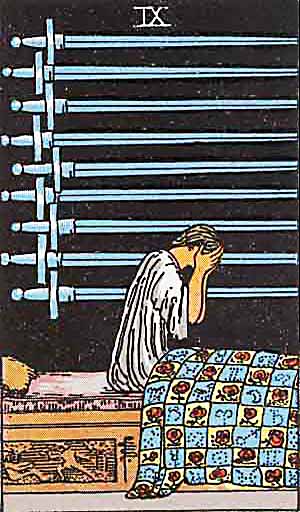
Hopes and Fears shows the expectations you have concerning the outcome of your question.
Nine of Swords, Reversed
The Nine of Swords represents anxiety, fear, cruelty, and emotional suffering. This card indicates a time of mental strain when you may be plagued by worries, sleepless nights, and overwhelming thoughts. A figure sits up in bed, hands on their face as if gripped by nightmares or regret. The swords in this card represent mental conflict and the destructive nature of excessive worry or fear. The Nine of Swords reveals that you are experiencing a period of distress, where your mind runs rampant with negative thoughts, self-criticism, or feelings of guilt.
Reversed, the Nine of Swords suggests that the worst of the mental anguish may be over, and you are beginning to heal from the emotional pain or stress that has plagued you. The reversal indicates you may be waking up from a period of intense worry, recognising that your fears were unfounded or exaggerated. It is a sign that you are gaining clarity and moving through the healing process. The reversed Nine of Swords can also suggest that you are beginning to confront your fears and take steps to overcome your anxieties. It encourages you to continue challenging negative thought patterns and focus on self-care, seeking support when needed.
In Relationships: The Nine of Swords suggests you are experiencing anxiety, fear, or guilt. This could involve obsessing over a mistake, worrying about the future of the relationship, or being consumed by doubts and insecurities. The card may point to sleepless nights or emotional stress caused by unresolved issues, fear of betrayal, or lingering misunderstandings. The Nine of Swords urges you to examine the source of your worries and recognise whether your fears are based on reality or exaggerated by your mind. It encourages open communication, self-compassion, and the need to address underlying issues.
In Work: The Nine of Swords represents stress, burnout, and overwhelming pressure. You may be facing significant anxiety about your job, career trajectory, or financial security. This card suggests you might be struggling with performance anxiety, fear of failure, or a sense of impending crisis. The Nine of Swords also indicates you may be overthinking a particular situation or obsessing over potential negative outcomes. It is a reminder to step back and assess the situation from a clearer perspective, rather than getting lost in fears of doom. The card encourages you to challenge irrational thoughts and focus on practical solutions, seeking help when possible.
Spiritually: The Nine of Swords indicates a period of anxiety, where you may feel disconnected from your path or overwhelmed by existential fears. This card suggests you are struggling with self-doubt, guilt, or fear of judgement, possibly questioning your beliefs, purpose, or connection to the divine. The Nine of Swords calls for self-reflection and addressing the inner turmoil blocking spiritual growth. It encourages you to release fear-based thinking and trust your higher self. This card reminds you that your spiritual journey does not need to be a source of fear or anxiety, but an opportunity for healing, peace, and trust in the greater flow of life.
The Outcome of your question. Interpret this card in the context of the entire reading and as an indicator of the path you are currently on, but not necessarily bound to.
Ace of Wands, Reversed
The Ace of Wands represents inspiration, new beginnings, and the spark of creative energy. As the first card in the suit of Wands, it signifies the start of an exciting journey, filled with potential and the promise of growth. Depicted as a hand emerging from a cloud, holding a wand with leaves sprouting from it, the Ace of Wands symbolises the initial burst of energy and enthusiasm that comes with an idea, a new project, or a burst of creative inspiration. It is a card of action, ambition, and the desire to manifest dreams into reality. The wand itself represents vitality, willpower, and the potential for creation, urging you to take bold steps towards your goals.
Reversed, the Ace of Wands can indicate a delay in starting a new project or difficulty accessing the inspiration and motivation needed to move forward. It may suggest a lack of direction or an inability to harness creative energy, leaving you feeling uninspired or blocked. The reversed Ace of Wands can also represent false starts or wasted energy, urging you to evaluate whether you are pursuing the right goals or allowing fear or uncertainty to prevent you from taking action. It encourages you to refocus, re-energise, and clarify your intentions.
In Relationships: The Ace of Wands represents the passionate beginning of a new romantic relationship or the renewal of passion in an existing one. It suggests an exciting new connection or attraction that sparks intense emotions and physical chemistry. This card encourages you to follow your heart and explore this newfound energy, whether it's the start of a new relationship or a rekindling of desire in a current one. The Ace of Wands invites you to approach love with excitement and enthusiasm, embracing the potential for growth and connection. It can also indicate the emergence of new opportunities for romantic adventure, encouraging you to take steps towards deepening your love life.
In Work: The Ace of Wands signifies the beginning of a new professional project, creative venture, or entrepreneurial opportunity. It marks the arrival of an idea or inspiration that has the potential to grow into something significant. This card encourages you to take the first steps towards manifesting your goals, whether by starting a new business, pursuing a creative passion, or taking on a leadership role. The Ace of Wands is full of enthusiasm and energy, urging you to act on your ambitions with confidence, creativity, and determination. It may also represent a surge of motivation or a renewed sense of purpose in the workplace, encouraging you to tackle new challenges with fresh energy.
Spiritually: The Ace of Wands represents a new spiritual path or the awakening of creative energy within the soul. It indicates the arrival of inspiration or a moment of spiritual clarity that propels you forward on your journey. This card encourages you to embrace the insights or callings that are emerging, as they have the potential to lead to growth and transformation. The Ace of Wands invites you to take action on your spiritual path, trusting that your energy and passion will guide you towards deeper connection with the divine. It may also signify a time of personal empowerment when you feel aligned with your true purpose and ready to take bold steps in your spiritual evolution.